Frodsham and Helsby
Railway History
Discover how nearly two centuries of railway development have shaped Frodsham, Helsby and the communities around them.
North Cheshire Community Rail Partnership
Two Stations Connected by Railway History
Frodsham and Helsby share a closely connected railway story that stretches back to the middle of the nineteenth century. As new lines opened and local rail connections developed, both stations became important gateways for the people, businesses and communities around them.
The railway helped link Frodsham and Helsby with Chester, Warrington, the Wirral and destinations further afield. At the same time, it supported local industry, created opportunities for work and travel, and became part of the everyday life of both communities.
Over the years, the railway has continued to change. Communities have adapted their stations, routes have opened and closed, and historic buildings and infrastructure have taken on new roles. However, many reminders of that heritage remain today, providing a direct link between the railway’s past and its continuing place within Frodsham and Helsby.
The timeline below brings together key railway milestones with local events and wider historical developments. As a result, it helps show not only how the railway changed, but also how it developed alongside the communities it continues to serve.
Explore the Frodsham and Helsby Railway Timeline
The timeline follows the story from the early days of Britain’s railways through to the present day. Along the way, it highlights important developments at Frodsham and Helsby, as well as wider railway milestones that help place the local story in context.
You will also find events from the surrounding communities, including changes in industry, transport, leisure and everyday life. Together, these moments show how the railway developed alongside Frodsham and Helsby and how its influence has continued across generations.
Explore the periods below to discover the events, people and places that have shaped this shared railway story.
Stephenson's Rocket won the Rainhill Trials, a competition held to find the most suitable locomotive for the new Liverpool and Manchester Railway. Its success demonstrated the potential of steam locomotives and helped influence the future development of Britain's railways.
The Liverpool and Manchester Railway opened in September 1830, creating a pioneering rail connection between two major industrial cities. Its success helped demonstrate how railways could transform passenger travel, trade and industry, while encouraging rapid railway development elsewhere in Britain.
The first Wesleyan Methodist Association chapel in Frodsham was built on the Rock, High Street, in 1837. Known locally as the Tabernacle, the building remained a place of worship for a century and later became home to Frodsham Library.
While working as a stationmaster on the Newcastle and Carlisle Railway in 1837, Thomas Edmondson developed a system using small, pre-printed and numbered cardboard railway tickets instead of handwritten paper tickets.
By 1839, Edmondson had moved to the Manchester and Leeds Railway, where his ticketing system was introduced more widely. The idea was subsequently adopted by railway companies across Britain and overseas, becoming a familiar part of railway travel for generations.
Britain experienced an extraordinary boom in railway investment during the 1840s as hundreds of new routes and railway companies were proposed. Known as Railway Mania, the expansion reached its peak in the middle of the decade and helped create much of the railway network that would connect towns and communities across the country.
The Birkenhead, Lancashire and Cheshire Junction Railway was incorporated in 1846 with plans for a new railway between Chester and Walton Junction near Warrington. Engineer Alexander Rendel and prominent railway contractor Thomas Brassey became involved in delivering the new route, with construction beginning later that year.
The project would bring the rapidly expanding railway network through Frodsham and Helsby and create connections that continue to serve the area today.
As railway networks expanded, different local times created problems for passengers and timetables. In December 1847, Greenwich Mean Time was adopted across Britain's railways as 'Railway Time', while by the mid-1850s most public clocks in Britain were also following Greenwich time.
Frodsham Viaduct was built between 1848 and 1850 as part of the new Chester to Warrington railway. Designed under engineer A. Rendel with Thomas Brassey as contractor, its sandstone, brick and cast-iron structure carried the railway across the River Weaver and surrounding land.
With construction of the new Chester to Warrington railway substantially complete, a formal opening took place during October 1850 ahead of the start of regular public services. The new line passed through Frodsham and Helsby, bringing both communities into a rapidly expanding regional railway network.
Passenger services began on the new Chester to Warrington railway on 18 December 1850, with Frodsham Station opening on the same day. The new route strengthened connections towards Chester, Warrington and Manchester and placed Frodsham firmly within Britain's growing railway network.
A serious collision occurred inside Sutton Tunnel near Frodsham as heavily loaded trains returned from the Chester Races. The accident resulted in multiple fatalities and injuries and highlighted weaknesses in early railway operating practices, leading to greater scrutiny of railway safety arrangements.
Warrington manufacturer Joseph Stubs purchased Park Place in Frodsham in 1851 and began reconstructing and extending the house and its outbuildings. He later commissioned influential landscape designer Edward Kemp to redesign the grounds.
Kemp's work in 1855 introduced carefully planned gardens, planting and landscaped spaces, helping shape the estate that would later become known as Castle Park.
A new building on Main Street was erected in 1852 and became known locally as Frodsham's Town Hall because rooms were used for civic purposes. Over the years, the building accommodated town meetings and other community uses as Frodsham continued to develop.
A Victorian building constructed on Main Street in 1852 later became home to Manor House School. The school would become part of Frodsham's educational history and, during the 1880s, would have an especially interesting connection with the royal family of Opobo in present-day Nigeria.
Helsby Station first appeared in railway timetables in 1852, adding a passenger station to the developing railway through the village. Its importance would grow considerably during the following decades as further railway connections transformed Helsby into a junction.
Welsh entrepreneur Pryce Pryce-Jones developed one of the world's earliest large-scale mail-order businesses, issuing catalogues that allowed customers to order goods from home. The expanding railway network then enabled orders to be distributed quickly across Britain and further afield.
It was an early example of how railways were transforming not only travel, but also shopping and everyday life.
A new railway between Hooton and Helsby opened on 1 July 1863, creating another important connection through the area. The route served communities including Little Sutton, Ellesmere Port and Ince, linking them with the wider railway network through Helsby.
Mersey Tearooms opens, built by Robert Briscoe, to accommodate the growing number of visitors and tourists travelling up Frodsham Hill.
St Paul's Church was built between 1868 and 1870 to designs by Chester architect John Douglas. Constructed from local sandstone, the new church became an important landmark at the foot of Helsby Hill and was consecrated in July 1870.
The West Cheshire Railway opened its route between Northwich and Helsby for goods traffic in September 1869. Running through Mouldsworth, the line strengthened Helsby's growing role as a railway junction and provided an important new route for freight.
Passenger services began on the West Cheshire Railway between Northwich and Helsby, with Helsby and Alvanley Station opening on 22 June 1870. The station stood on the eastern side of Chester Road and provided another passenger connection for the growing village.
A new connection opened between the West Cheshire Railway and the existing Birkenhead Railway at Helsby. The link allowed railway traffic to move between the two networks and further strengthened Helsby's importance as a local railway junction.
Britain's first railway sleeping carriage entered passenger service in 1873 on trains between Scotland and London via the East Coast route. It marked another important development in long-distance rail travel, allowing passengers to make overnight journeys in greater comfort.
James Rigby developed the Belle Monte Pleasure Gardens on Overton Hill as Frodsham attracted increasing numbers of visitors. The grounds, and later the Belle Monte public house, catered for people arriving in the area by both railway and boat.
Together with nearby Mersey View, Belle Monte helped establish Frodsham Hill as a popular Victorian leisure destination.
Regular passenger services at Helsby and Alvanley Station ended in May 1875 as trains from Northwich were redirected along the newly opened route towards Chester Northgate. The Helsby branch nevertheless remained important for goods traffic and would later serve local workers.
The Great Northern Railway introduced Britain's first dining car service in November 1879 on trains between Leeds and London King's Cross. Passengers could now enjoy meals while travelling, adding another level of comfort to longer railway journeys.
Kydd Grocers was founded in Frodsham in 1881, becoming part of the town's growing late-Victorian commercial life. The Kydd name would later become closely associated with the Kydd and Kydd Jam Works at Sandfields.
Prince Waribo of Opobo, in present-day Nigeria, came to Britain in 1881 and became a pupil at Manor House School in Frodsham. His time in the town provides an unusual international connection within Frodsham's nineteenth-century social history.
The Telegraph Manufacturing Company established the Britannia Telegraph Works in Helsby in 1884, producing cables for the rapidly expanding telegraph and telephone industries.
The works became a major source of local employment and began a long association between Helsby and cable manufacturing. In later years, the site would become closely associated with BICC.
Coupling poles increasingly helped railway workers connect and disconnect goods wagons without standing directly between moving vehicles. Their growing use reflected increasing concern about railway workplace safety during a period when shunting remained particularly dangerous.
J. G. Kydd established a jam works at the top of Sandfields in Frodsham in 1891. Known as Kydd and Kydd, the business became part of the town's developing commercial and industrial story during the late Victorian period.
In a remarkable piece of Victorian engineering, Frodsham's station building was moved bodily away from the railway to provide additional platform space. Rather than demolishing and rebuilding it, engineers moved the approximately 400-ton structure en bloc using timber supports and eleven powerful jacks.
The unusual operation allowed the station to adapt to increasing railway traffic while retaining its original building.
A two-road engine shed was provided at Helsby and Alvanley to accommodate locomotives serving the Cheshire Lines Committee route. The facility reflected the continuing importance of the branch for railway operations even after regular passenger services had ended.
The Liverpool Overhead Railway opened to passengers in 1893, becoming the world's first electric elevated railway. Running alongside Liverpool's docks, it demonstrated the growing potential of electric traction and became an important part of transport across the city.
Lime trees were planted along streets in the centre of Frodsham in 1897 to commemorate Queen Victoria's Diamond Jubilee. The surviving trees remain a distinctive part of the townscape and provide a living connection with Frodsham's Victorian past.
George Crosland Taylor and his French business associate Georges de Ville formed the Crosville Motor Company in Chester in 1906. The company name combined parts of their surnames, Crosland and Ville.
Initially established to assemble and sell motor cars, Crosville later moved into passenger transport. Its first regular bus service between Chester and Ellesmere Port began in 1911.
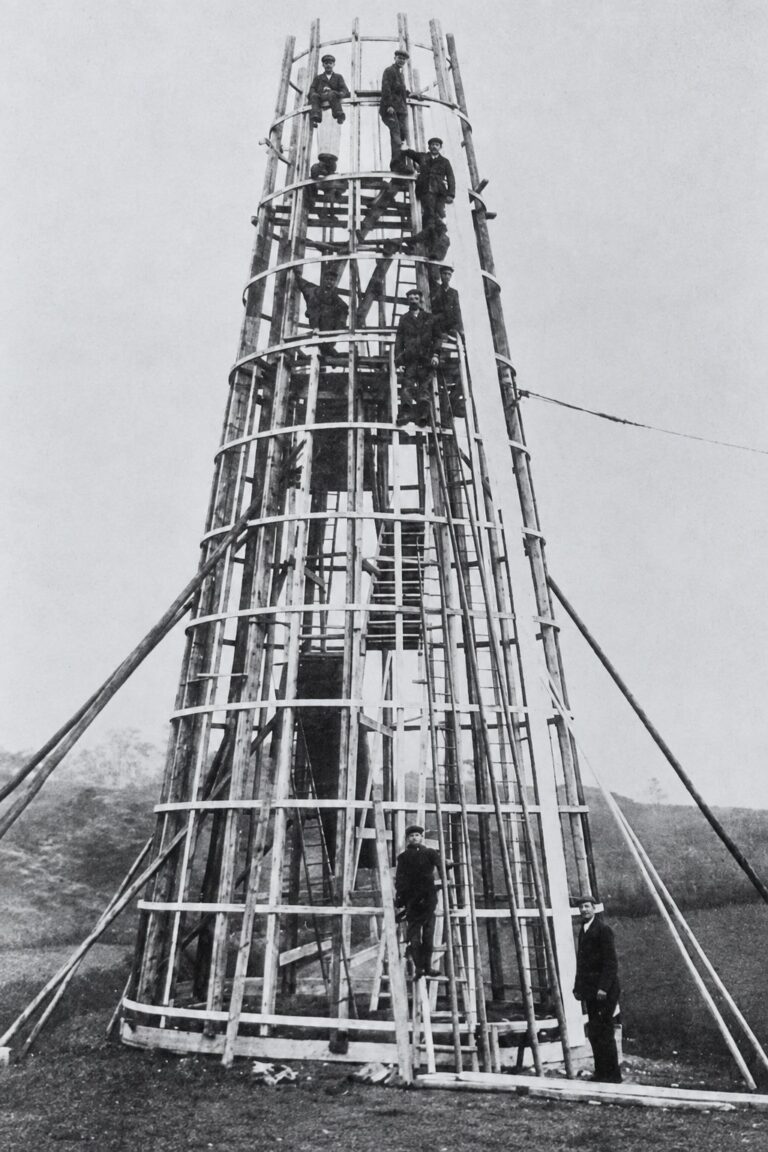
Mrs Parker-Hoose added a large helter-skelter to the attractions at Mersey View on Overton Hill in 1908. Built at a reported cost of £300, it became a distinctive feature of a leisure destination already attracting visitors to Frodsham Hill.
The helter-skelter remained part of Mersey View for many decades before eventually being demolished in 1977.
The Swan Motor Manufacturing Company produced innovative motorcycles from a small factory on High Street in Frodsham before the First World War. The business was owned and managed by F. H. Thornton, who lived nearby at Manor House.
A Swan motorcycle appeared at the Olympia Motor Show in London in 1911, while the company's machines also competed in the 1912 International Six Days' Trial.
The National Union of Railwaymen was created through the amalgamation of three existing railway workers' unions. The new organisation rapidly increased its membership and became an influential national voice for people working across Britain's railways.
During the First World War, Mrs Parker-Hoose made Mersey View available for conversion into an auxiliary military hospital.
The change gave the popular Frodsham leisure destination a very different role, supporting the care of military personnel during the conflict.
Railways became essential to the British war effort, carrying troops, equipment and supplies while thousands of railway workers joined the armed forces. Special ambulance trains also transported wounded servicemen, bringing casualties from ports and battlefields to hospitals for treatment.
British Insulated and Helsby Cables played an important role in producing electrical and communications cable during the First World War. The company manufactured around 61,000 miles of telegraph cable for trench communications and more than 1,000 miles of cable for the Admiralty.
The Helsby works also supported the wider wartime effort, with part of the factory recorded as being used as a military hospital.
The Chester Road bridge over the Helsby and Alvanley railway was rebuilt in 1920, close to the site occupied by Tesco today.
The reconstruction is recorded as using the last stone excavated from Helsby Quarry, creating another direct connection between the village's railway and industrial heritage.
Helsby's war memorial was unveiled by J. Taylor JP and dedicated by the Reverend E. W. Evans on 25 April 1920. Designed by R. H. Lockwood and made by W. Heswall and Son, it commemorated 20 local servicemen who died during the First World War.
Funded by local parishioners at a cost of £350, the memorial remains an important place of remembrance within the churchyard of St Paul's.
The war memorial on Overton Hill was unveiled by Colonel W. Bromley Davenport on 24 October 1921. The land was given in memory of the men of Frodsham who lost their lives during the First World War and for the continuing use and enjoyment of the local community.
The memorial remains a prominent landmark overlooking Frodsham.
More than 120 railway companies were reorganised into four major groups under the Railways Act 1921. The Great Western Railway, London Midland and Scottish Railway, London and North Eastern Railway and Southern Railway became known collectively as the Big Four.
The Grand Cinema opened on Church Street in Frodsham on Easter Monday, 2 April 1923. Its original owners included local businessman Joseph Gilmour Kydd, creating another connection with a familiar name in Frodsham's commercial history.
Situated beside the railway bridge and close to Frodsham Station, the cinema became a popular part of the town's changing leisure scene. Contemporary memories even recalled the vibration inside the building as trains passed nearby.
The Wright family presented Castle Park, its buildings and 12 acres of grounds for use as a public park in 1933. An official opening took place on 24 May, ensuring that an important part of Frodsham's historic landscape could be enjoyed by the wider community.
Limited passenger use returned to the Helsby and Alvanley branch during the mid-1930s. Seasonal trains operated from 1934, while workmen's services for employees at the local cable works followed from 1935.
The station is recorded as formally reopening to passenger traffic in October 1936, several years before the outbreak of the Second World War.
Major repair work began on Frodsham Viaduct in 1938, almost 90 years after the structure was first built. Roy Hughes and William Beatty are recorded in connection with the project, which also provided work for a large number of unemployed local labourers.
The repairs were completed in 1939, reportedly a year ahead of schedule. Remarkably, cine film of the work survives within Frodsham's local history archives, providing a visual record of the project.
Around 10,000 mainly Jewish children escaped Nazi persecution through the Kindertransport rescue programme. Trains formed an essential part of many journeys, carrying children across Europe and, after arriving at Harwich, onwards to Liverpool Street Station in London.
Once again, the railway network became vital to the national war effort, moving service personnel, evacuees, workers, freight and essential supplies.
Railway employees kept trains running through demanding conditions while the network supported both civilian life and military operations.
At the beginning of the Second World War, Annie Bate made Mersey View available for conversion into military accommodation.
It marked another major change of purpose for a site that had originally developed as one of Frodsham's best-known leisure destinations.
Passenger use of Helsby and Alvanley Station ended again on 22 May 1944 following its return to service during the previous decade.
However, the railway continued to serve goods and industrial traffic, and passenger trains would make another brief return many years later.
Representatives of the Helsby Home Guard travelled to London on 3 December 1944 to take part in a national parade marking the standing down of the Home Guard.
The parade was attended by members of the Royal Family and formed part of nationwide recognition of the contribution made by Home Guard volunteers during the Second World War.
British Insulated Cables merged with Callender's Cable and Construction Company in 1945 to form British Insulated Callender's Cables, better known as BICC.
The Helsby works became part of a business that would develop into one of Britain's major cable manufacturing companies.
The Reverend Wilbert Awdry's book Thomas the Tank Engine was published in 1946 as the second title in The Railway Series.
Thomas would go on to become one of the world's best-known fictional railway characters, introducing generations of children to stories inspired by Britain's railways.
Helsby Hill was purchased for the National Trust in 1947 using funds raised by the Cheshire branch of the Campaign to Protect Rural England.
The acquisition helped protect an important local landscape, including its Iron Age hillfort, distinctive sandstone cliffs and views across the surrounding area.
The Transport Act 1947 brought Britain's major railways into public ownership from 1 January 1948.
The Big Four railway companies were brought together as British Railways under the newly created British Transport Commission.
Following the arrival of the Empire Windrush in June 1948, some Caribbean migrants found employment on Britain's railways as the country rebuilt after the war.
Contemporary government records show that railway work was among the occupations taken up by members of this pioneering post-war generation.
The Talyllyn Railway in Wales became the world's first railway to be operated by a volunteer preservation society. On 14 May 1951, volunteers ran their first public passenger service, helping begin the railway preservation movement that would later save lines, locomotives and stations across Britain.
British Railways began an ambitious programme to modernise the national network, including the widespread introduction of diesel and electric traction.
Over the following years, new locomotives increasingly replaced steam while signalling, rolling stock and railway infrastructure were also modernised.
The railway bridge carrying the line over Church Street in Frodsham was replaced in 1958. The project renewed an important piece of local railway infrastructure beside Frodsham Station as Britain's railways entered a period of rapid modernisation.
The work is recorded as being completed on 30 October at a cost of £13,000.
Evening Star was completed at Swindon Works in March 1960, becoming the final steam locomotive built for British Railways.
Although steam trains continued operating for several more years, its completion symbolised the transition towards diesel and electric traction.
The Grand Cinema on Church Street showed its final film and closed on 5 August 1961 after almost four decades of entertaining local audiences.
Situated beside the railway bridge and close to Frodsham Station, the cinema had been a familiar part of the town since 1923.
Dr Richard Beeching published The Reshaping of British Railways, recommending widespread closures in an attempt to reduce railway losses.
The proposals identified more than 2,300 stations and around 5,000 miles of railway for closure, changing the shape of Britain's network for generations.
The Beatles performed at the Mersey View Pleasure Grounds in Frodsham during their rapid rise to national fame.
Their appearance provides a memorable link between Frodsham's popular leisure history and one of the most influential bands in British music.
Passenger trains returned to Helsby and Alvanley Station for another brief period in September 1963.
The branch had continued to serve local industry, including workers travelling to the nearby cable works, despite regular passenger services having ended previously.
Passenger services at Helsby and Alvanley Station ended for the final time on 6 January 1964.
The closure brought to an end a passenger railway story that had begun when the station first opened in 1870.
General goods facilities at Helsby and Alvanley closed on 2 March 1964, although a privately owned industrial siding continued to be served.
As a result, the railway retained a connection with local industry even after public passenger and general goods services had ended.
Growing traffic on the A56 led residents to campaign for a new road bypassing Frodsham and Helsby.
The Helsby Residents' Road Action Committee helped bring local concerns to wider attention, while plans for what would become part of the M56 gained increasing support.
British Railways ended a discriminatory colour bar affecting employment at London stations following a campaign by railway guard Asquith Xavier.
After being refused a transfer to Euston because he was Black, Xavier challenged the decision. The colour bar was withdrawn, and he subsequently took up the position he had originally been denied.
Horn's Mill Primary School was built in Helsby in 1968, becoming part of the growing community around the village during the post-war period.
The school continues to serve local families today and has developed strong links with the history and landscape of Helsby.
Sections of the new M56 opened during 1971, providing the long-awaited bypass for Frodsham and Helsby.
The motorway helped remove substantial through traffic from the A56 and marked a major change to transport and everyday life in both communities.
Mariah Sheikh is recorded as becoming the first Muslim and Asian woman to work for London Underground in 1975.
Her story forms part of the wider history of a railway workforce that was gradually becoming more diverse during the second half of the twentieth century.
Karen Harrison joined British Rail's traditionally male footplate workforce in 1979, becoming one of the pioneering women to enter the train driver's line of promotion.
Working initially as a secondman, or driver's assistant, Harrison went on to qualify as a train driver and became an influential figure in the campaign for greater equality within the railway industry.
Historic railway buildings at both Frodsham and Helsby stations were added to the National Heritage List for England at Grade II on 6 December 1985.
The listings recognised the architectural and historic importance of railway buildings that had served their communities since the nineteenth century.
The Victorian stable block and outbuildings at Castle Park were converted into Castle Park Arts Centre in 1986.
The historic buildings gained a new community purpose, providing spaces for exhibitions, workshops, crafts and other creative activities.
More than 120 years after the railway first reached Helsby and Alvanley, the remaining line closed completely on 14 September 1991.
Although regular passenger services had disappeared much earlier, the railway had continued to serve local industrial and freight traffic for many years.
Frodsham formally became a town in July 1992 and elected its first Mayor.
The change marked another chapter in the development of a community whose growth and connections had been closely linked with the railway for more than a century.
The Railways Act 1993 created the framework for the privatisation of British Rail, separating responsibility for railway infrastructure from passenger services.
The changes were introduced progressively during the following years, with passenger services transferred to privately operated franchises.
The Channel Tunnel was officially opened by Queen Elizabeth II and French President François Mitterrand, creating a permanent rail connection beneath the English Channel.
Passenger, freight and vehicle shuttle services followed during 1994, transforming rail travel between Britain and continental Europe.
Network Rail carried out a major six-month refurbishment of Helsby Junction Signal Box in 2002. The £146,000 project included a £17,000 grant from the National Railway Heritage Trust.
The work was completed using conservation principles appropriate to its historic station setting and helped preserve an important part of Helsby's railway heritage.
A series of blue plaques was installed around Frodsham through the town's Heritage Economic Regeneration Scheme.
The plaques helped identify significant buildings and places, encouraging residents and visitors to discover more about Frodsham's architectural and social history.
Helsby became the first overall winner of the Cheshire Best Kept Station Awards in 2003, recognising the work of North Cheshire Rail Users Group in caring for and promoting the historic station.
The presentation took place at Helsby Station, which was decorated with bunting while JPD Mereside Brass entertained those attending. Afterwards, refreshments and a celebratory cake were provided at Helsby Methodist Church.
GNER became the first British train operator to trial Wi-Fi internet access for passengers on its trains in 2003.
The development marked the beginning of a major change in how passengers could work, communicate and access information while travelling by rail.
The restored Helsby Junction Signal Box received the Westinghouse Signalling Award at the National Railway Heritage Awards in 2004.
The national recognition celebrated the sensitive restoration of an important surviving feature of Helsby's railway heritage.
Trials of fully digital ticketing developed across Britain's mainline railway network, helping pave the way for tickets stored on smartphones and other electronic devices.
Digital ticketing has since become a familiar part of railway travel for millions of passengers.
The first Ho Ho Helsby community Christmas event brought residents, schools, businesses and community groups together for a village-wide celebration.
Organised by local volunteers, the event included a Christmas tree, procession, music, stalls and activities for people of all ages.
Beer Heroes opened a craft beer taproom within the former waiting room at Helsby Station in November 2016.
The new use brought regular activity back into part of the historic station building and demonstrated how railway heritage spaces can find new purposes within their communities.
Frodsham and Runcorn stations received the John Hobbs Award in recognition of North Cheshire Rail Users Group's successful campaign to restore regular passenger services over the Halton Curve.
The restored connection once again allowed direct passenger journeys between the area and Liverpool, following a campaign lasting around three decades.
The Covid-19 pandemic and associated lockdowns caused an unprecedented fall in passenger numbers across Britain's railways.
Services continued for essential journeys and key workers, while changing work and travel patterns created long-term challenges for the rail industry.
Me & Mr Jones brought a new combination of coffee, gifts and homewares into the historic station building at Frodsham.
The business became another example of a former railway space being brought back into active use while remaining part of the station environment.
Later that year, the owners also offered free coffee and cake to former airline crew affected by the collapse of Thomas Cook, adding a community-focused chapter to the building's continuing story.
The business that had opened at Helsby Station as Beer Heroes, and later became known as The Helsby Tap, moved to new premises elsewhere in the village in 2023.
Rising rent was cited as a reason for leaving the former station waiting room, bringing more than six years of use within the railway building to an end.
Chiltern Railways introduced Hydrotreated Vegetable Oil, or HVO, to its Class 68 locomotive-hauled passenger trains on 27 July 2023.
Produced largely from used cooking oils, tallow and other recyclable waste, HVO provided a lower-carbon alternative to conventional diesel and was the first use of the fuel in UK passenger rail service.
The Passenger Railway Services (Public Ownership) Act received Royal Assent on 28 November 2024, creating the framework for contracted passenger train services to transfer into public ownership as existing agreements end.
The first transfers followed in 2025, with the programme continuing progressively across passenger rail services.
After operating from Frodsham Station for several years, Me & Mr Jones closed in 2025.
The closure was attributed to financial pressures during a period of rising costs. Its time at the station formed part of the continuing story of historic railway buildings being adapted for businesses and other uses beyond their original railway purpose.
Restoration work began on the former goods shed at Frodsham Station, with George Drewitt leading a project to bring the long-empty railway building back into use as a self-service storage facility known as Platform Three.
The project aims to preserve much of the building's historic character, including its façade, roof timbers and original doors. The plans also include environmental improvements and the potential for the yard to provide space for future community activities.
Frodsham and Helsby Railway History in Pictures
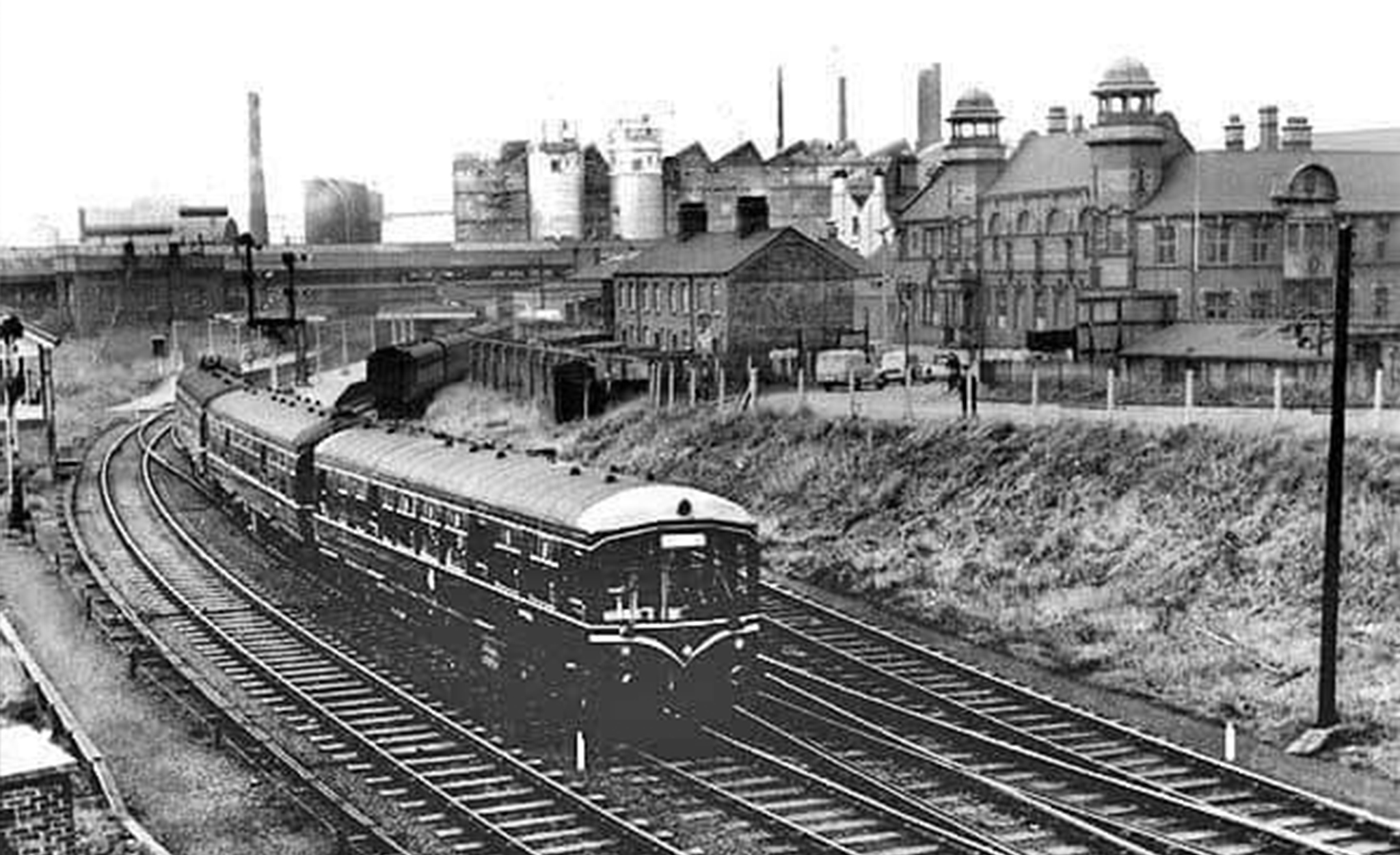
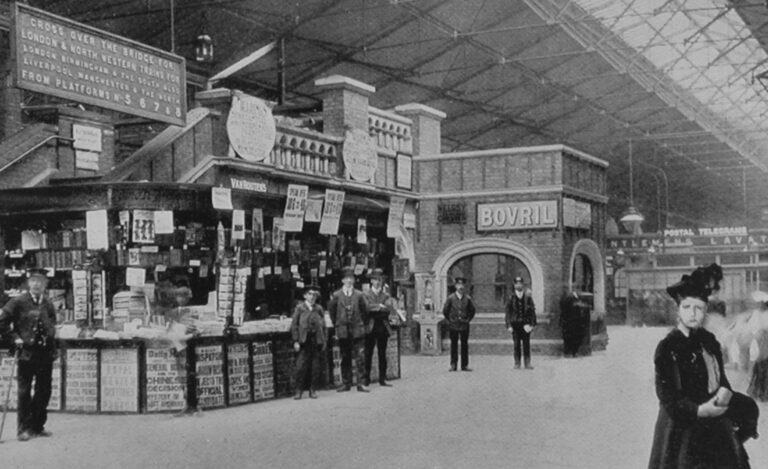
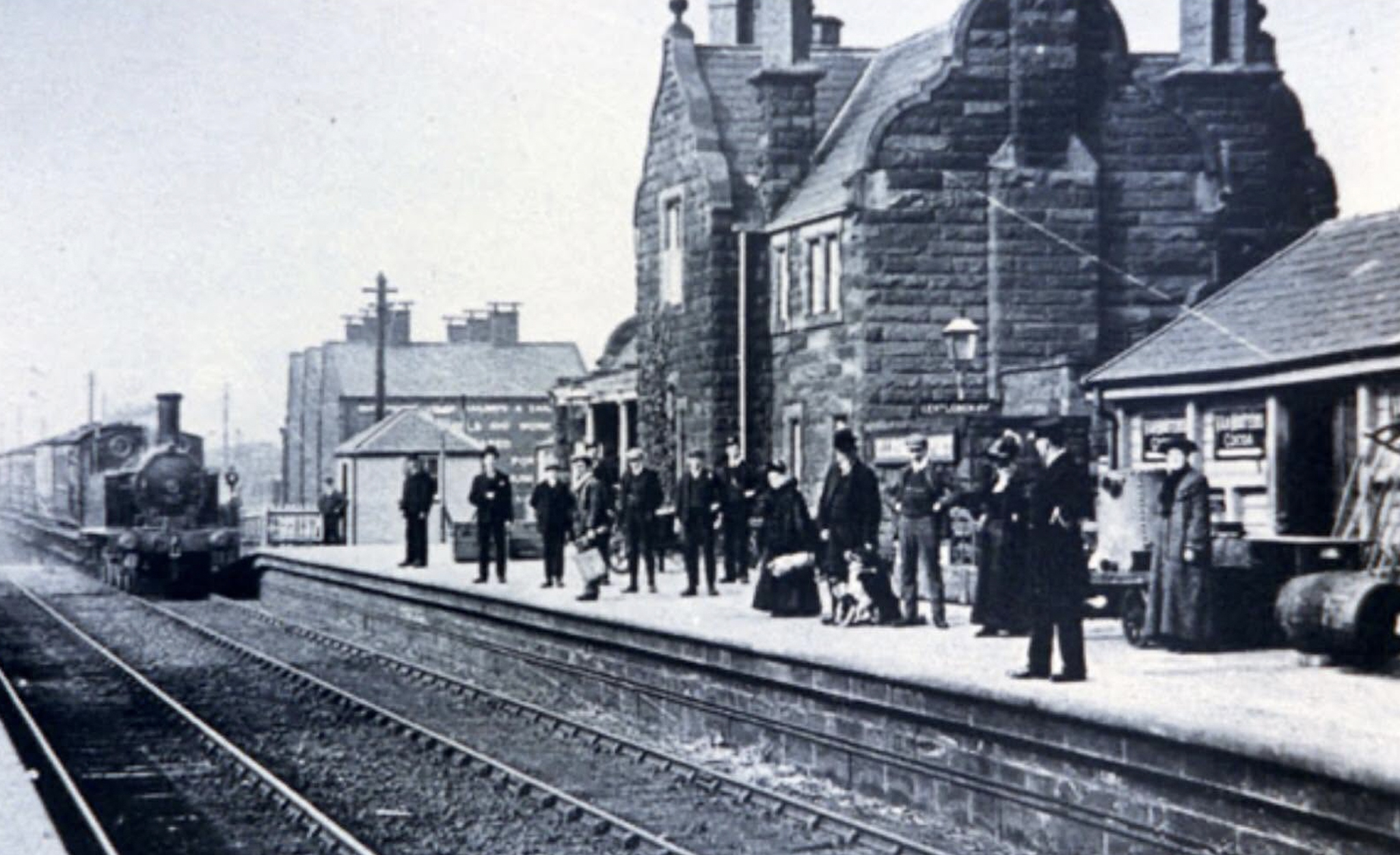
Explore the railway heritage of Frodsham and Helsby through a collection of historic photographs, images and local memories. From the development of the railway stations to the people, trains and changing landscapes that shaped the area, these images offer a fascinating glimpse into the region’s railway past.
Together, they help tell the story of how the railways connected local communities, supported industry and influenced everyday life. As we continue to develop this collection, we welcome contributions from anyone with photographs, documents or memories that could help preserve our local railway heritage for future generations.
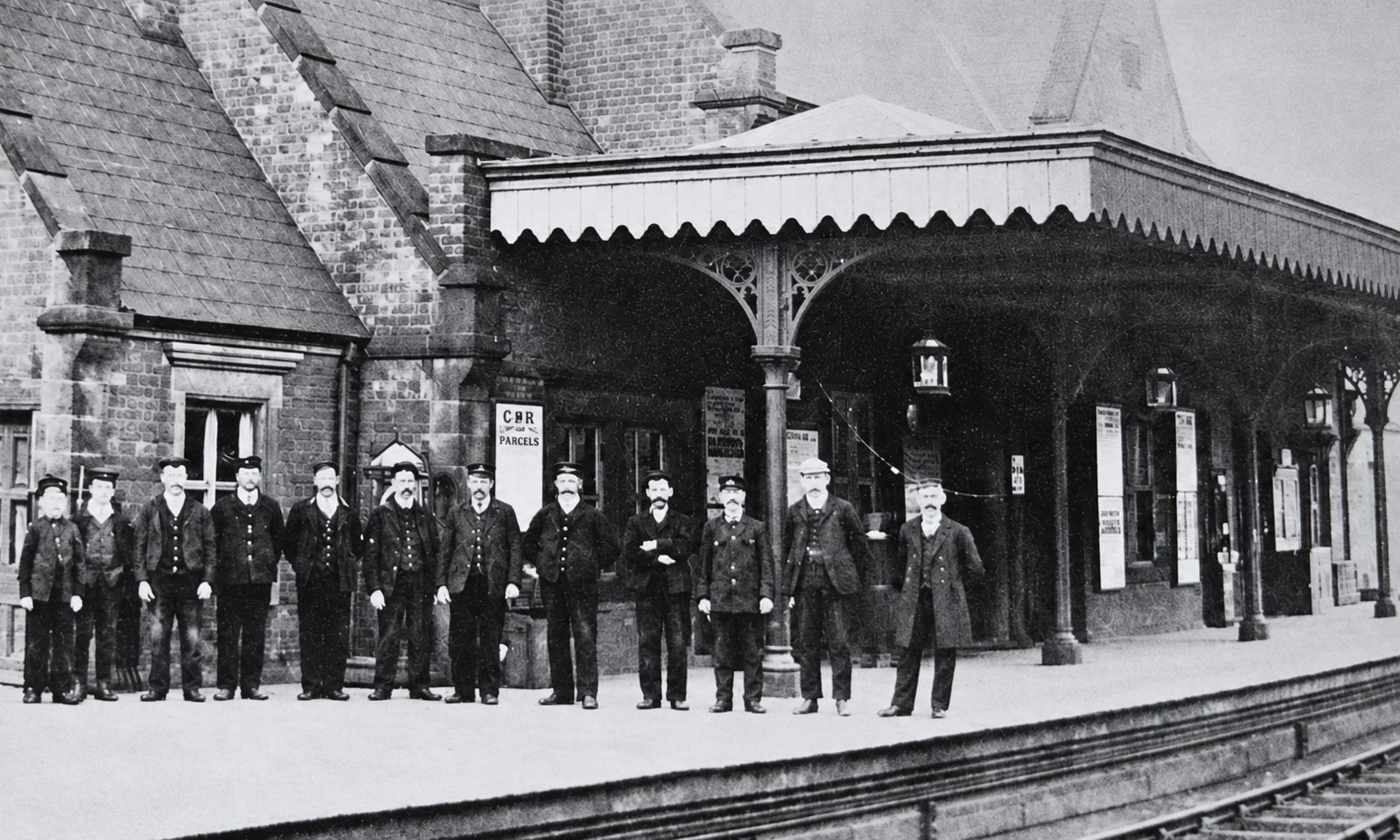
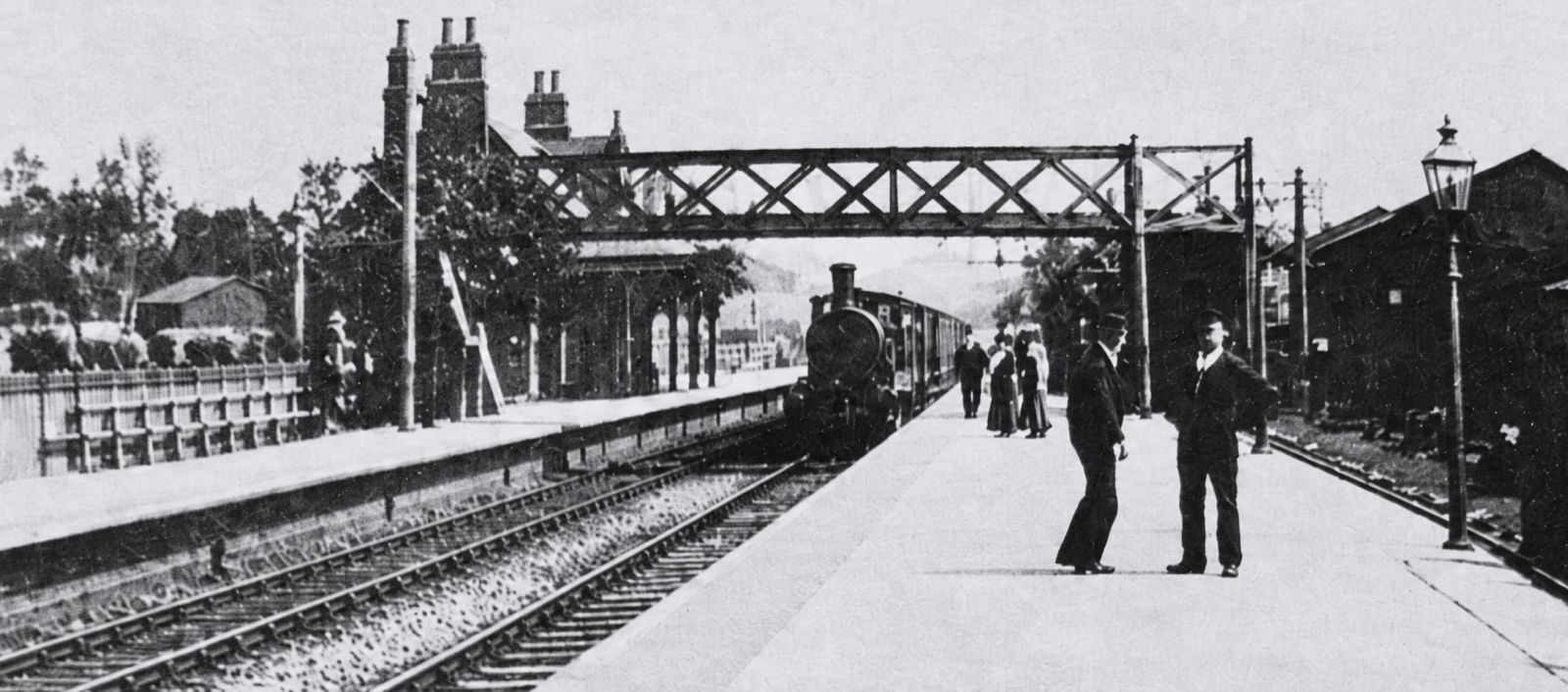
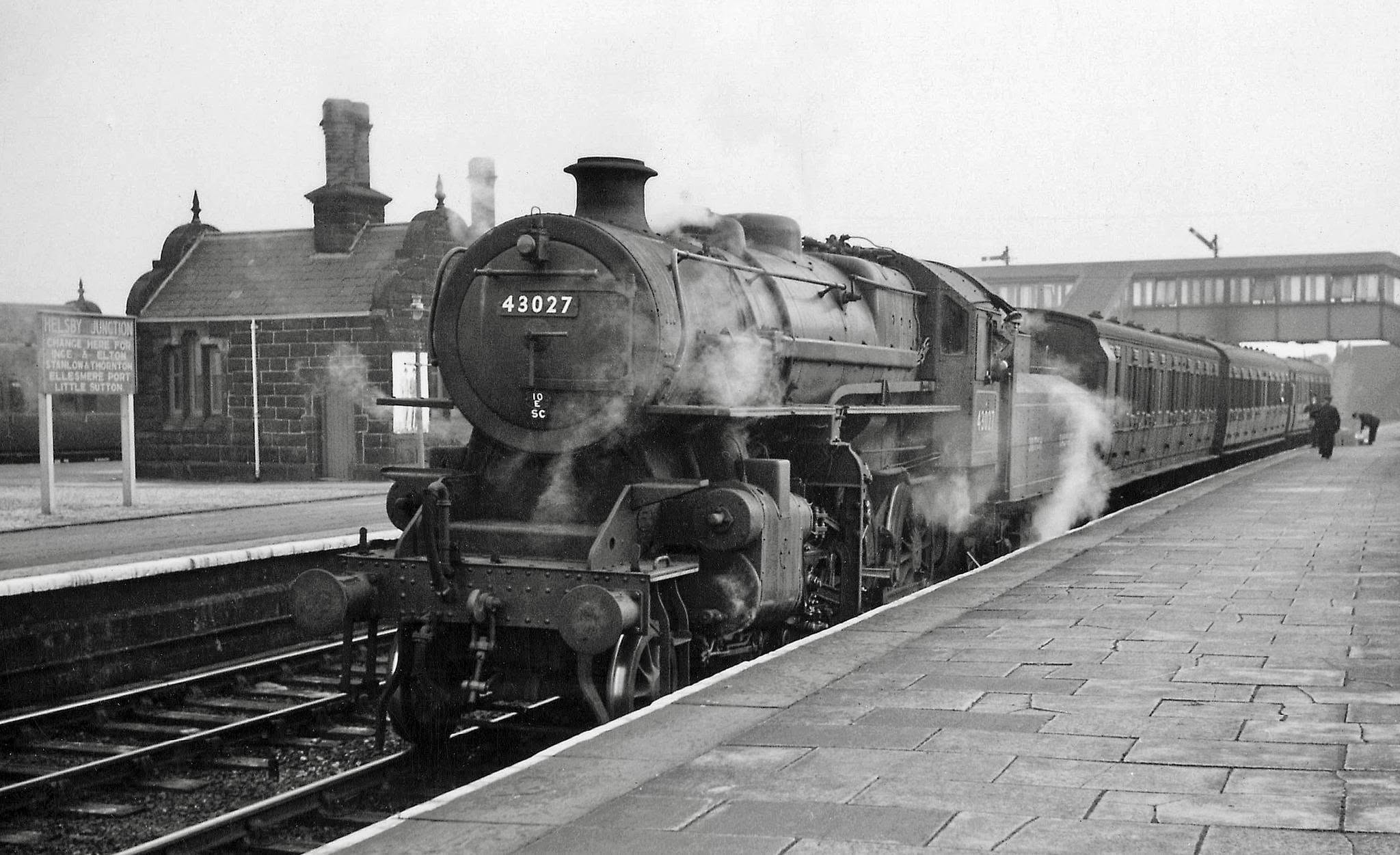
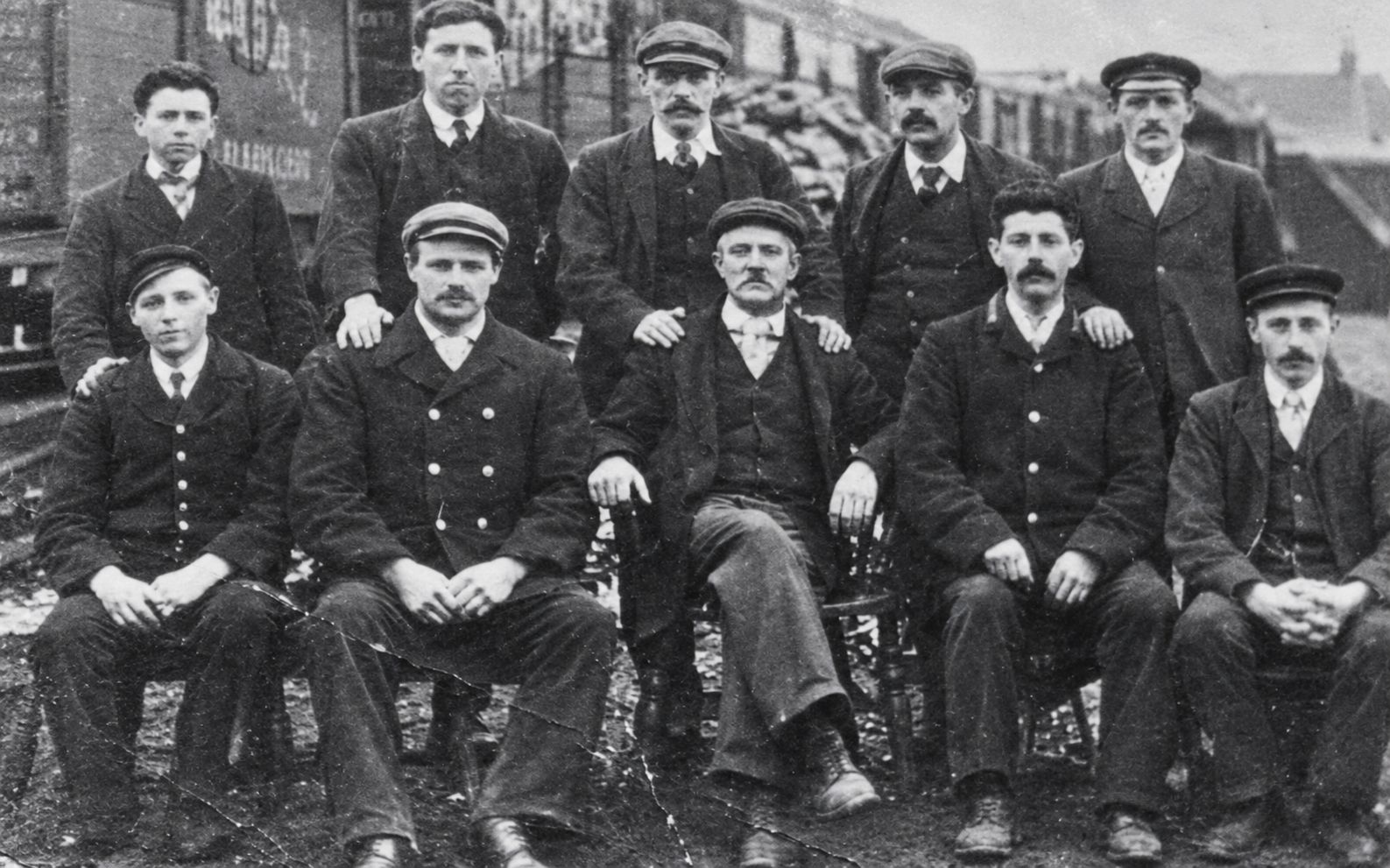
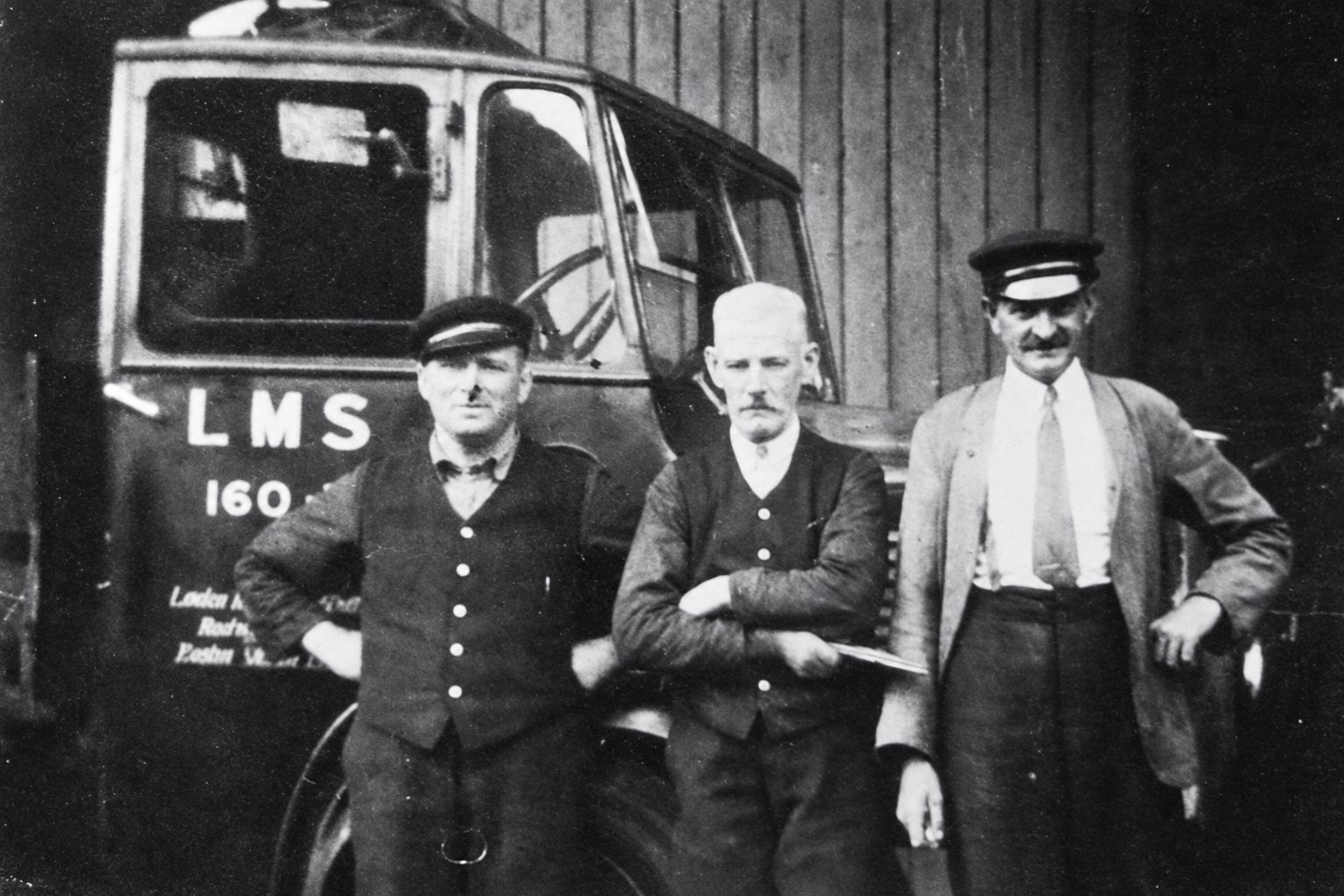
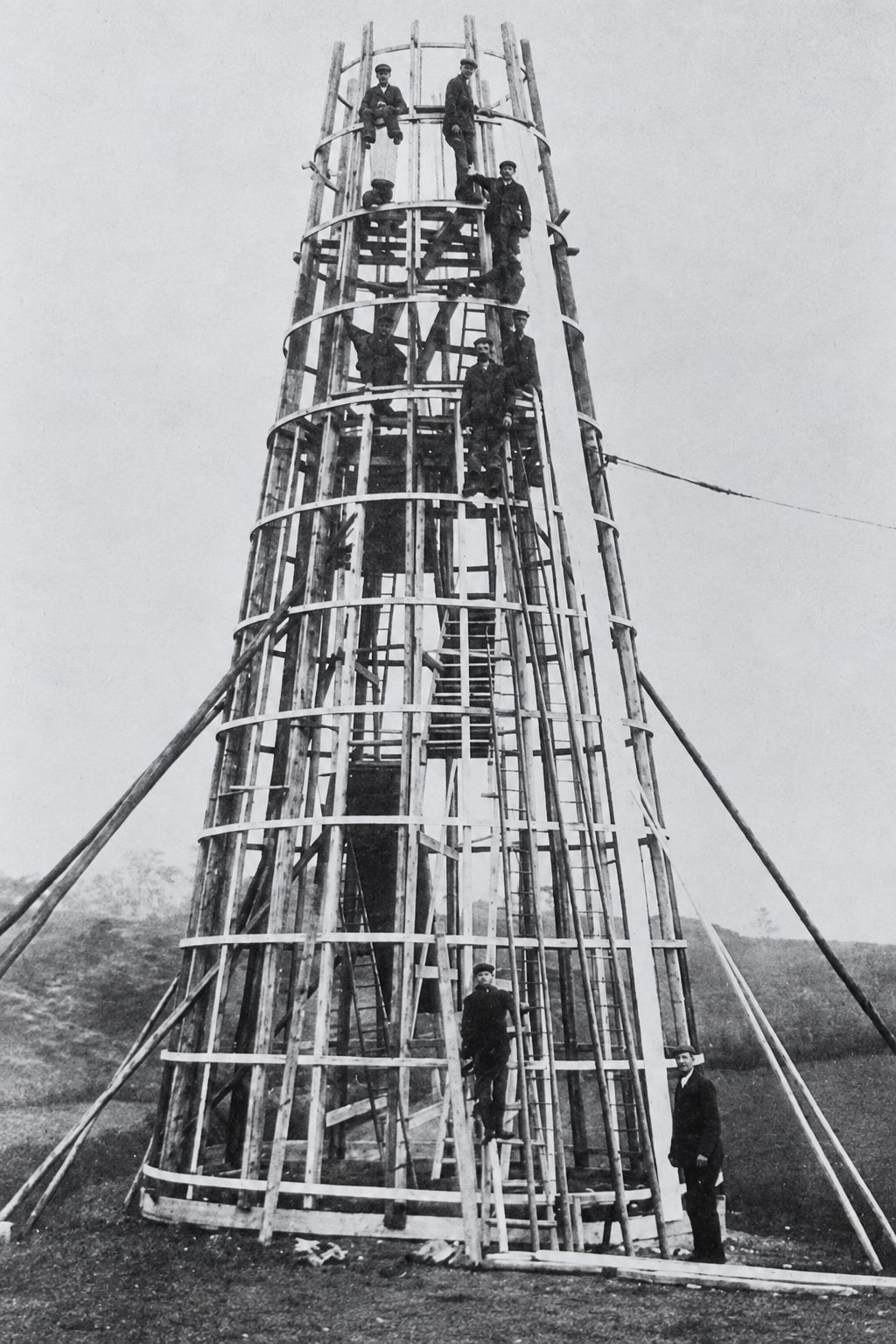
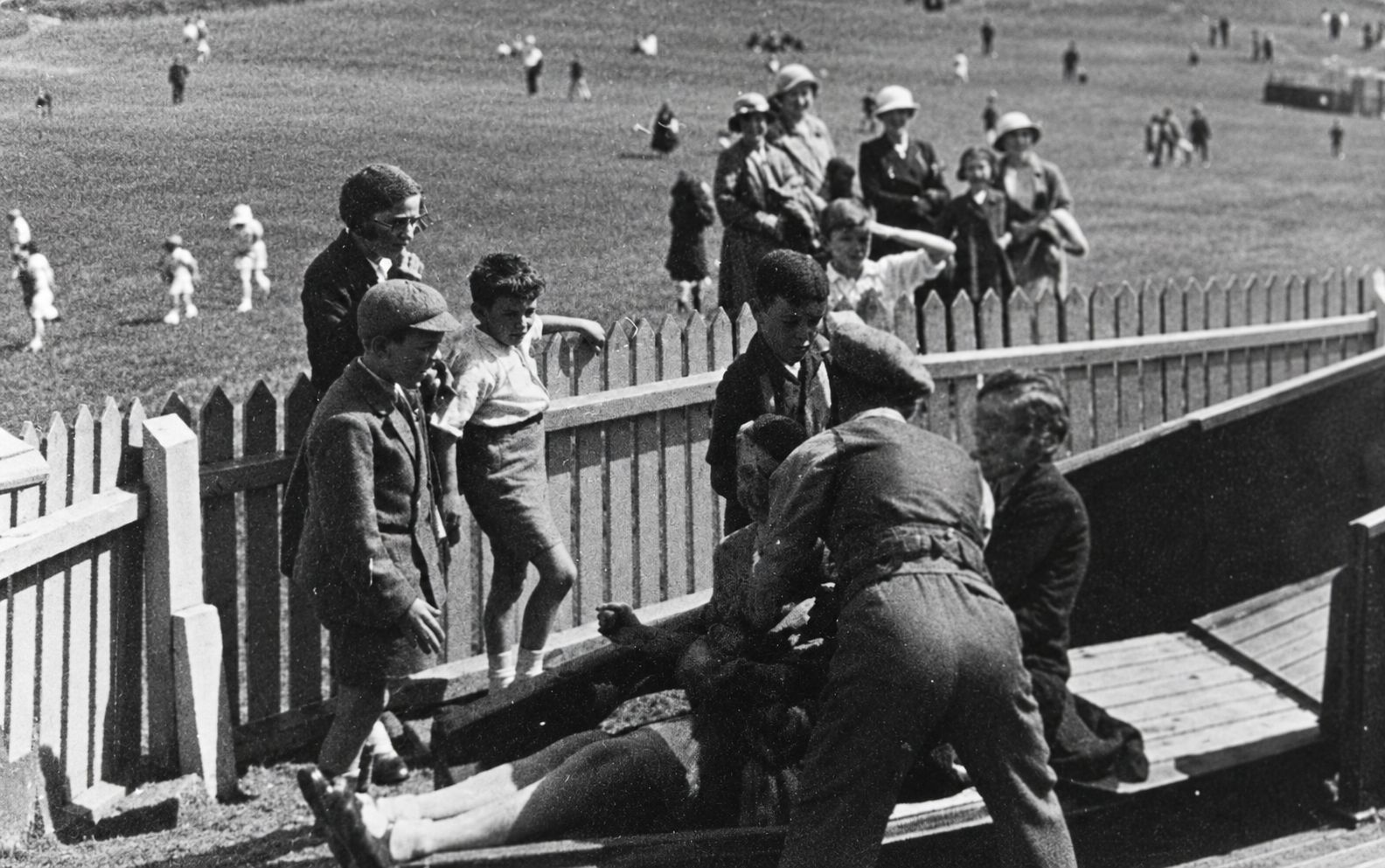
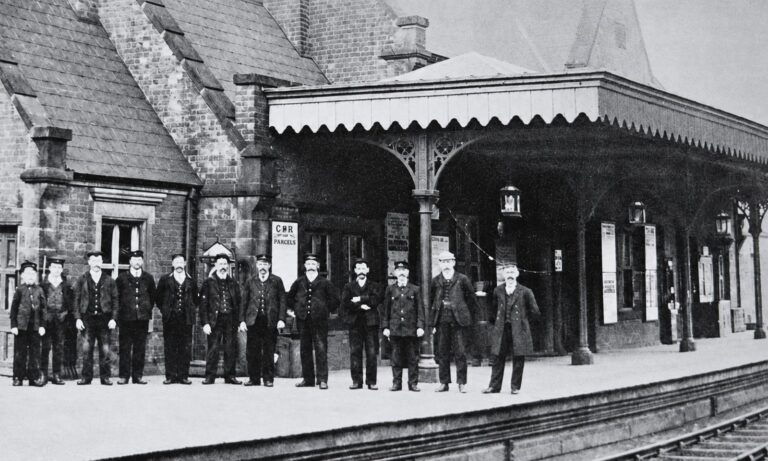
Some of the historic photographs featured in this gallery are courtesy of Frodsham and Helsby (Pocket Images) by the Frodsham & District Local History Group. Discover more fascinating glimpses into the area’s past. Click here to purchase a copy.
About the Timeline
This timeline has been developed through local historical research, with current and continuing research led by Elizabeth Norton. It brings together railway milestones, local history and wider events to help show how the railways have developed alongside Frodsham and Helsby.
The timeline will continue to grow as further information, photographs and community memories are researched and shared. Where appropriate, additional details and sources will be reviewed before being added to the project.
Help Us Tell the Story
Do you have old photos, memories or stories about the railway in Frodsham or Helsby?
We’d love to hear from you and help preserve our shared heritage.
Continue Exploring Our Railway History
The story of Frodsham and Helsby forms part of a much wider railway heritage across North Cheshire, Halton and Warrington.
Explore our other local timelines to discover how railways shaped Warrington, Ellesmere Port and the historic route between Chester and Birkenhead. Each one brings together railway milestones, local events and community stories to show how the network developed alongside the places it continues to serve.