Warrington Bank Quay Railway History
Discover how railways supported the growth of Warrington, connected people and industry, and shaped local journeys across the town and surrounding area.
North Cheshire Community Rail Partnership
Warrington Bank Quay at the Heart of a Railway Town
Railways have played an important part in Warrington’s development for almost two centuries. As new routes arrived, they connected the town with Liverpool, Manchester, Chester and destinations across Britain, while also supporting the movement of goods, workers and passengers.
At the centre of this story is Warrington Bank Quay. The station became an important part of the town’s railway network and continues to provide connections for local communities and longer-distance journeys today.
However, Warrington’s railway history reaches far beyond a single station. Different lines, stations, junctions and goods facilities developed across the town as the railway network expanded. Together, they supported local industry, influenced where people worked and travelled, and helped strengthen Warrington’s connections with neighbouring communities.
Over time, the railway has continued to change. Stations have opened and closed, industries have evolved and passenger journeys have developed in new ways. Nevertheless, Warrington Bank Quay remains an important gateway to the town and a visible link between Warrington’s railway heritage and the network people use today.
Explore the Warrington Railway Timeline
The timeline begins with Warrington’s earliest railway developments in the nineteenth century and will continue to grow as further research is completed.
Along the way, it explores the development of Warrington Bank Quay and the wider railway network around the town. It also brings together local industry, community life and important national railway milestones, helping place Warrington’s story within the wider development of Britain’s railways.
As a result, the timeline shows how railways influenced much more than transport. They supported employment and industry, connected communities and helped shape the growth and everyday life of Warrington.
Explore the periods below to discover the people, places and events that have shaped Warrington’s railway story.
The Liverpool and Manchester Railway opened in September 1830, creating a pioneering railway connection between two of the North West's most important industrial cities.
Its success demonstrated the potential of steam-powered passenger and freight railways and helped encourage the rapid development of new railway routes across Britain.
The Warrington and Newton Railway had begun carrying passengers between Warrington and Newton earlier in 1831. On 25 July, the connection at Newton with the Liverpool and Manchester Railway was completed, improving Warrington's rail links towards both Liverpool and Manchester.
A separate branch serving the Bank Quay area followed during the 1830s, initially carrying goods and mineral traffic.
Long before the station name became familiar to generations of railway passengers, Bank Quay was an important industrial district beside the River Mersey.
The area supported industries including copper working, glass making, soap manufacturing and fustian cutting. Its name reflected its riverside location, combining the bank of the Mersey with the quays used for loading and unloading goods.
The first Warrington Bank Quay Station opened on 4 July 1837 as the Grand Junction Railway completed its route through Warrington between Birmingham and the railway connections towards Liverpool and Manchester.
The station stood close to Liverpool Road, south of the site occupied by today's station. Local research also records that Warrington residents had already petitioned the railway company for a better-positioned station before it opened.
Warrington established its first police force in 1837, consisting of a constable supported by four assistant constables.
The development came as the town was growing rapidly during a period of increasing industry, trade and improved transport connections.
The first experimental Travelling Post Office ran between Birmingham and Warrington on the Grand Junction Railway in January 1838.
A converted railway carriage allowed postal workers to sort letters while the train was moving. The successful experiment demonstrated how railways could dramatically speed up the movement of mail, and purpose-built sorting carriages soon followed.
The Railway Regulation (Gauge) Act was passed in 1846 following years of competition between different railway track gauges.
The legislation restricted further expansion of Isambard Kingdom Brunel's broad gauge and strengthened the position of the narrower gauge associated with George Stephenson, helping Britain move towards a more connected national railway network.
The Birkenhead, Lancashire and Cheshire Junction Railway was incorporated in June 1846 as ambitious plans developed for new east-west railway connections across Cheshire.
The proposals included a route towards Chester and a connection with the Grand Junction Railway at Warrington Bank Quay. The developing network would eventually strengthen rail links between Warrington, Chester and communities including Frodsham and Helsby.
As Britain's railway network expanded, different local times created increasing problems for timetables and passengers. Railway companies therefore began adopting Greenwich Mean Time as a common standard.
In December 1847, Warrington adjusted its clocks to the new standard and, according to local records, the town effectively 'lost' six minutes. Railway Time would eventually become the basis for standard time across Britain.
Warrington became one of the first towns in Britain to establish a rate-supported public library in 1848 and is widely credited as the first.
The development reflected the town's growing civic ambition during a period when industry, transport and population were all changing rapidly.
Passenger services began on the new railway between Chester and Warrington in December 1850.
The route connected into the established railway network near Warrington Bank Quay and strengthened links between Warrington, Chester, Frodsham and Helsby. It became an important part of the railway network that continues to connect these communities today.
The first edition of the Warrington Guardian was published on Saturday 9 April 1853.
The newspaper became an important record of life in the growing town and would later document generations of local events, including changes to Warrington's railways and the development of Bank Quay Station.
By 1861, Warrington's population had reached 24,050, compared with 13,750 four decades earlier.
The increase reflected a period of major industrial and urban growth, supported by improving transport connections and the expanding railway network.
The Metropolitan Railway opened between Paddington and Farringdon Street in London in January 1863.
As the world's first underground railway, it demonstrated another way that railways could respond to the transport demands of rapidly growing towns and cities.
Warrington Baths opened on Legh Street in 1866 following the laying of its foundation stone the previous year.
The baths became an important local facility as Warrington continued to develop during the Victorian period and remained part of the town for well over a century.
A serious railway collision occurred at Walton Junction near Warrington on 29 June 1867 when a passenger train collided with a coal train.
Eight people were killed and many others were injured. The accident became the subject of a Board of Trade investigation and highlighted the continuing importance of improving railway signalling and operating practices.
The original Bank Quay Station closed and a new station opened on its present site on 16 November 1868.
At the earlier station, the booking office had been housed within the original Patten Arms. After the new station opened, the former railway building was later used as offices by the Goods Department.
The new Bank Quay Station was built with railway lines on two levels, allowing north-south and east-west services to connect at the same location. The lower-level platforms became known locally as Warrington Bank Quay Low Level.
Local research also records that nearby Parker Street took its name from the contractors involved in building the new station.
The redevelopment marked an important stage in Warrington's emergence as a major railway centre.
Warrington Corporation purchased the eighteenth-century Bank Hall and its surrounding grounds in 1872.
The building became Warrington Town Hall, giving a new civic purpose to one of the town's most significant historic buildings as Warrington continued to expand.
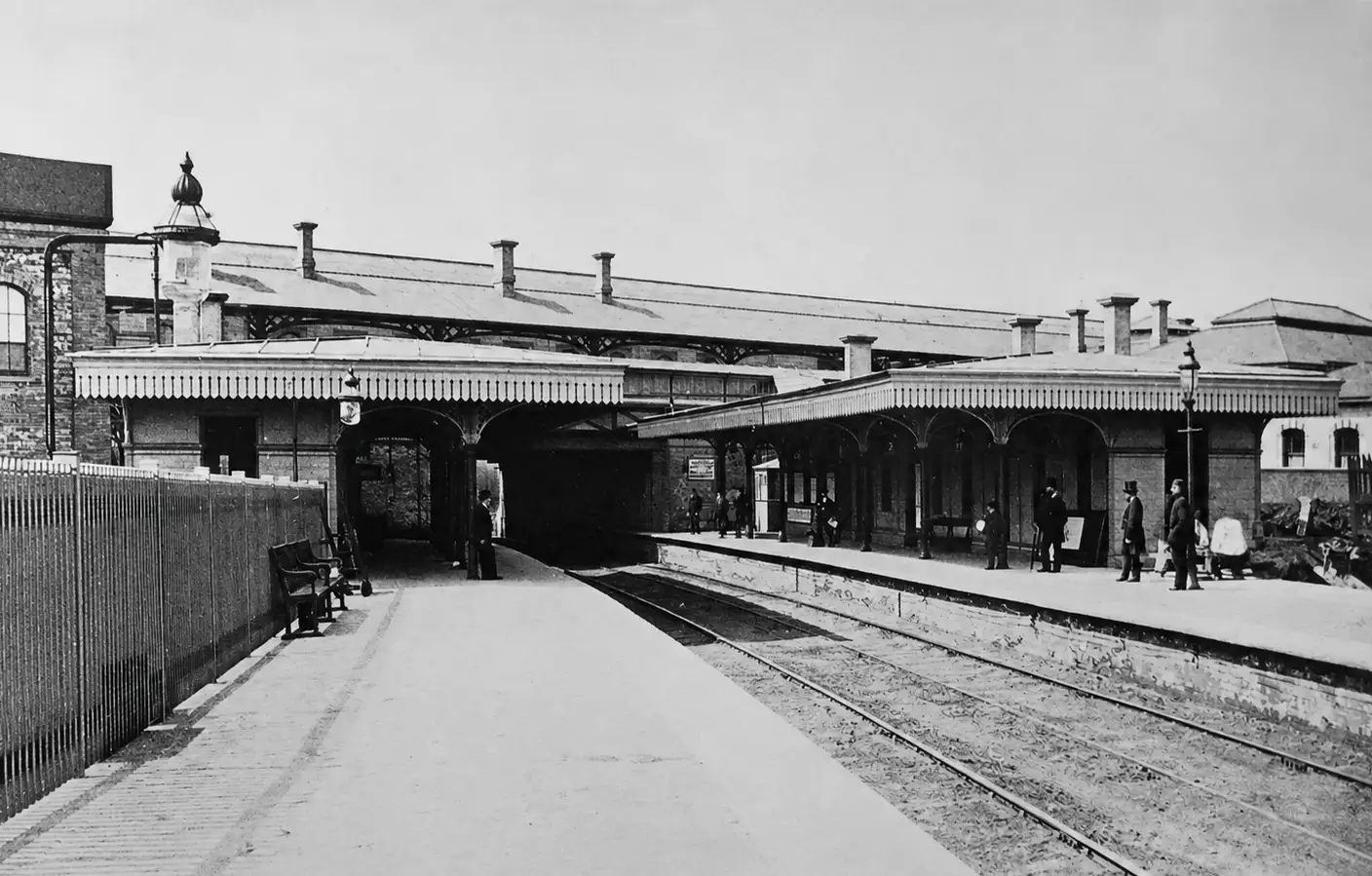
A new Liverpool to Manchester passenger service began running through Warrington Bank Quay Low Level on 1 August 1873.
On the same day, Warrington Central opened to passengers. Together, the developments demonstrated the growing complexity of Warrington's railway network and strengthened east-west rail connections across the town.
The Midland Railway introduced Britain's first regular Pullman service in 1874.
The luxurious railway carriages offered passengers a new standard of comfort and reflected the increasing competition between Victorian railway companies to improve the experience of long-distance travel.
Warrington's rugby club was formed in 1879, beginning a sporting story that would become an important part of the town's identity.
As railway connections continued to improve, rail travel would also become an important means for teams and supporters to travel between towns for sporting events.
The Great Northern Railway introduced Britain's first regular railway dining car service in November 1879 between Leeds and London King's Cross.
Passengers could now eat meals while travelling, representing another major development in comfort and service on longer railway journeys.
The Tay Bridge collapsed during a severe storm as a passenger train crossed the River Tay in Scotland in December 1879.
The disaster resulted in the loss of the train and everyone on board. The subsequent investigation had a lasting influence on railway bridge design, engineering standards and understanding of wind loading.
Warrington continued to grow rapidly during the late nineteenth century. The census recorded a population of 42,552 in 1881, rising to 52,742 by 1891.
The increase reflected the town's continuing industrial expansion and its increasingly important position within the regional transport network.
Queen Victoria formally opened the Manchester Ship Canal in May 1894, bringing another major transport route through Warrington.
The canal transformed the local landscape and reinforced Warrington's longstanding role as a place where road, river, canal and railway routes came together.
Frederick W. Monks presented the impressive Golden Gates at Warrington Town Hall to the town in June 1895.
The gates became one of Warrington's best-known landmarks and remain a familiar symbol of the town's Victorian civic heritage.
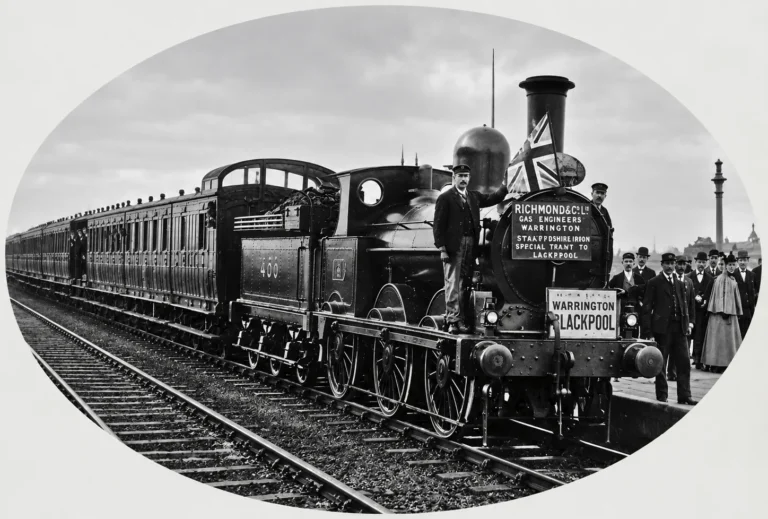
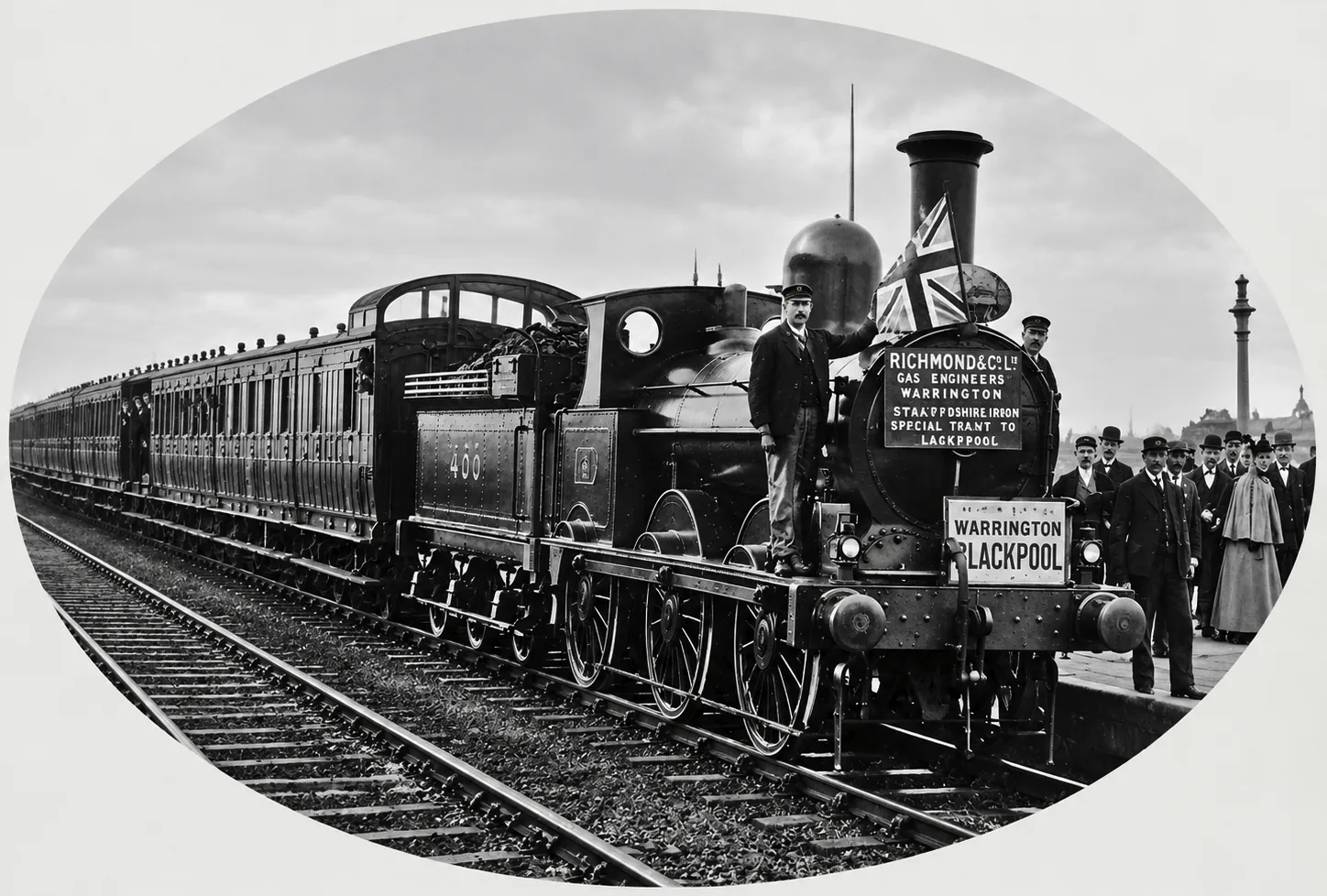
In late September 1897, 400 Richmond employees gathered at Warrington Bank Quay Station for their sixth annual outing to Blackpool. Departing at 7am, their train was hauled by a London and North Western Railway (LNWR) 0-6-0 steam locomotive.
The excursion offers a fascinating glimpse into Victorian railway travel and the important role trains played in bringing colleagues together for leisure trips beyond their working lives.
Image and historical reference courtesy of Warrington in Camera 1850s–1950s.
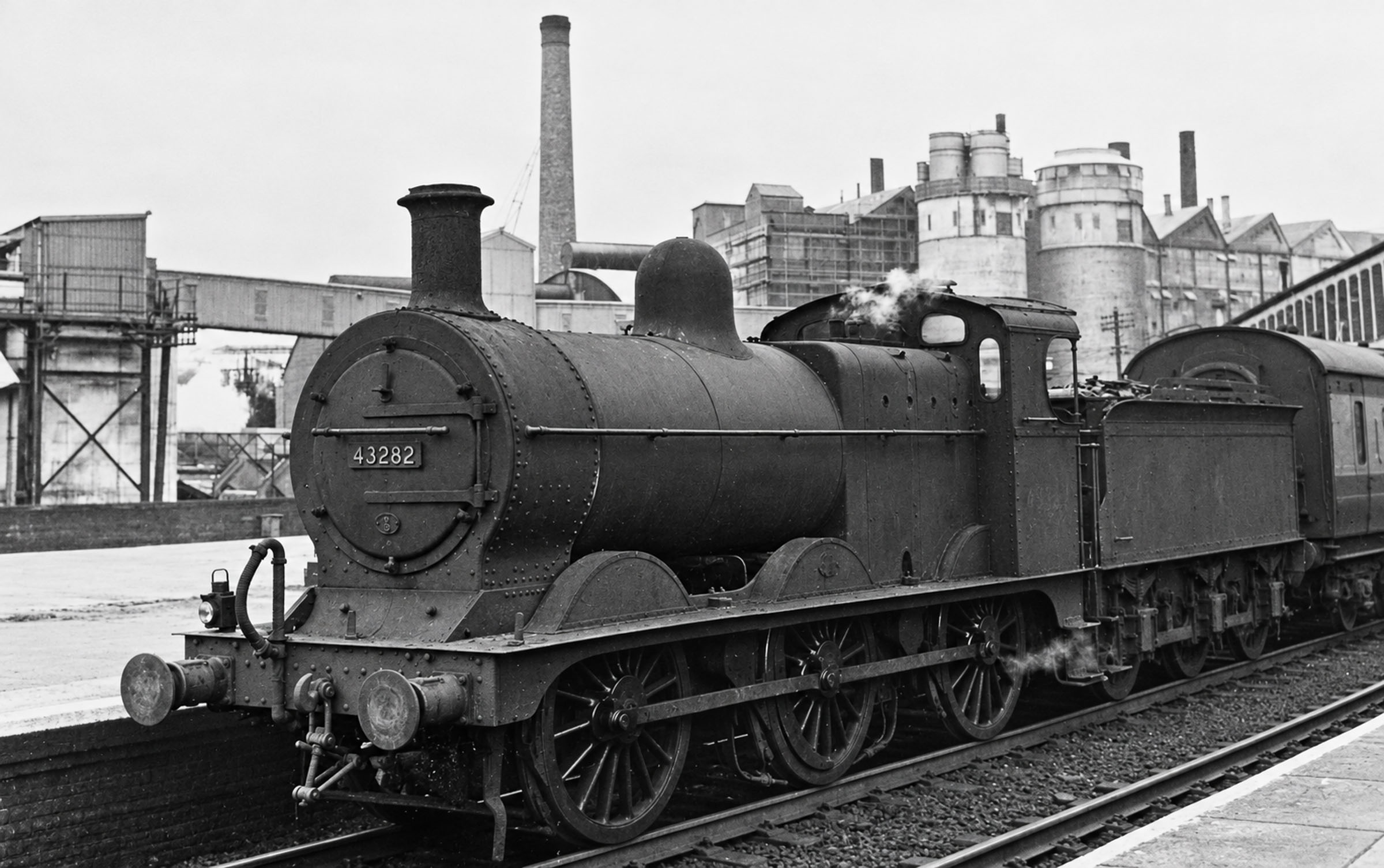
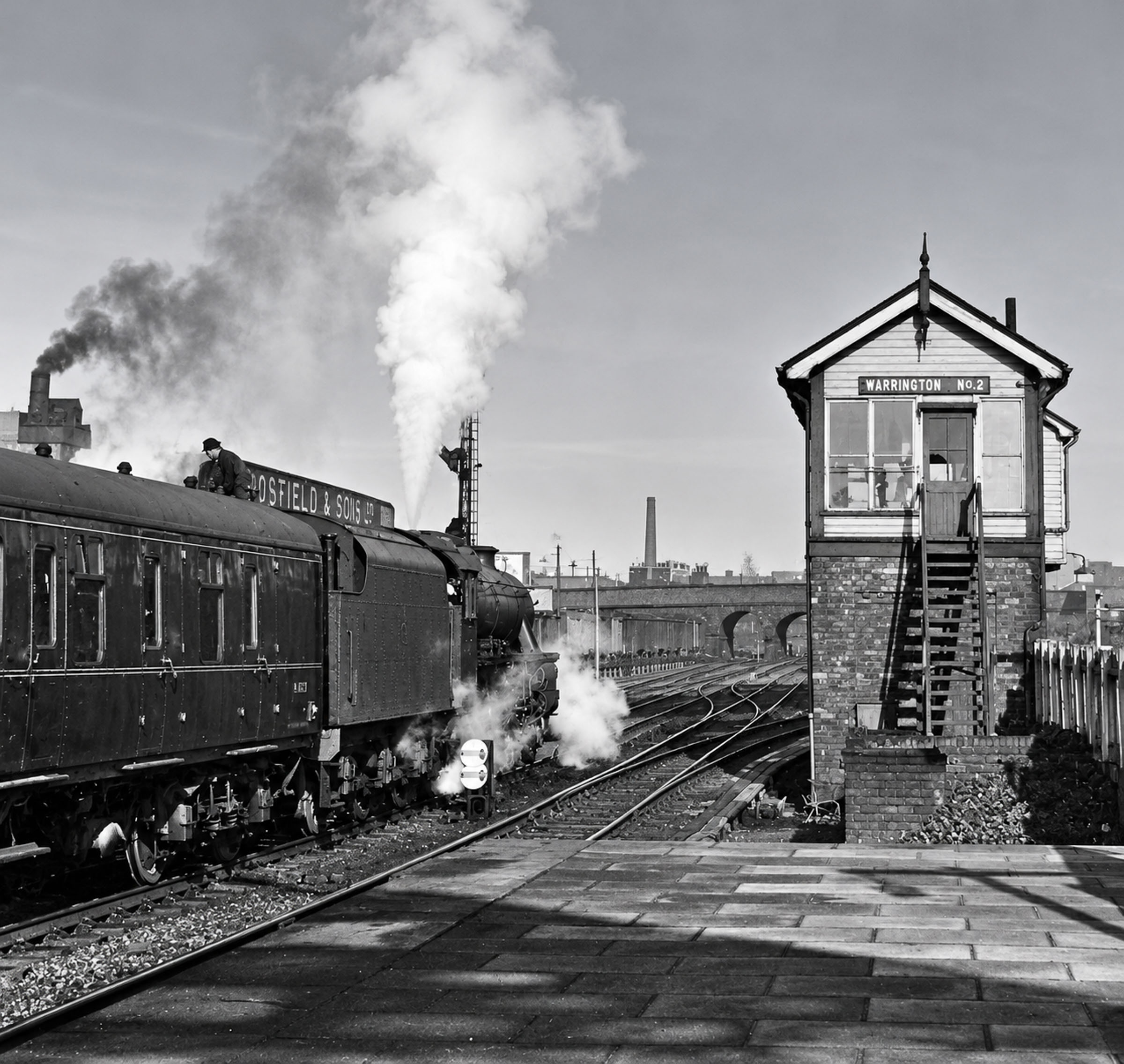
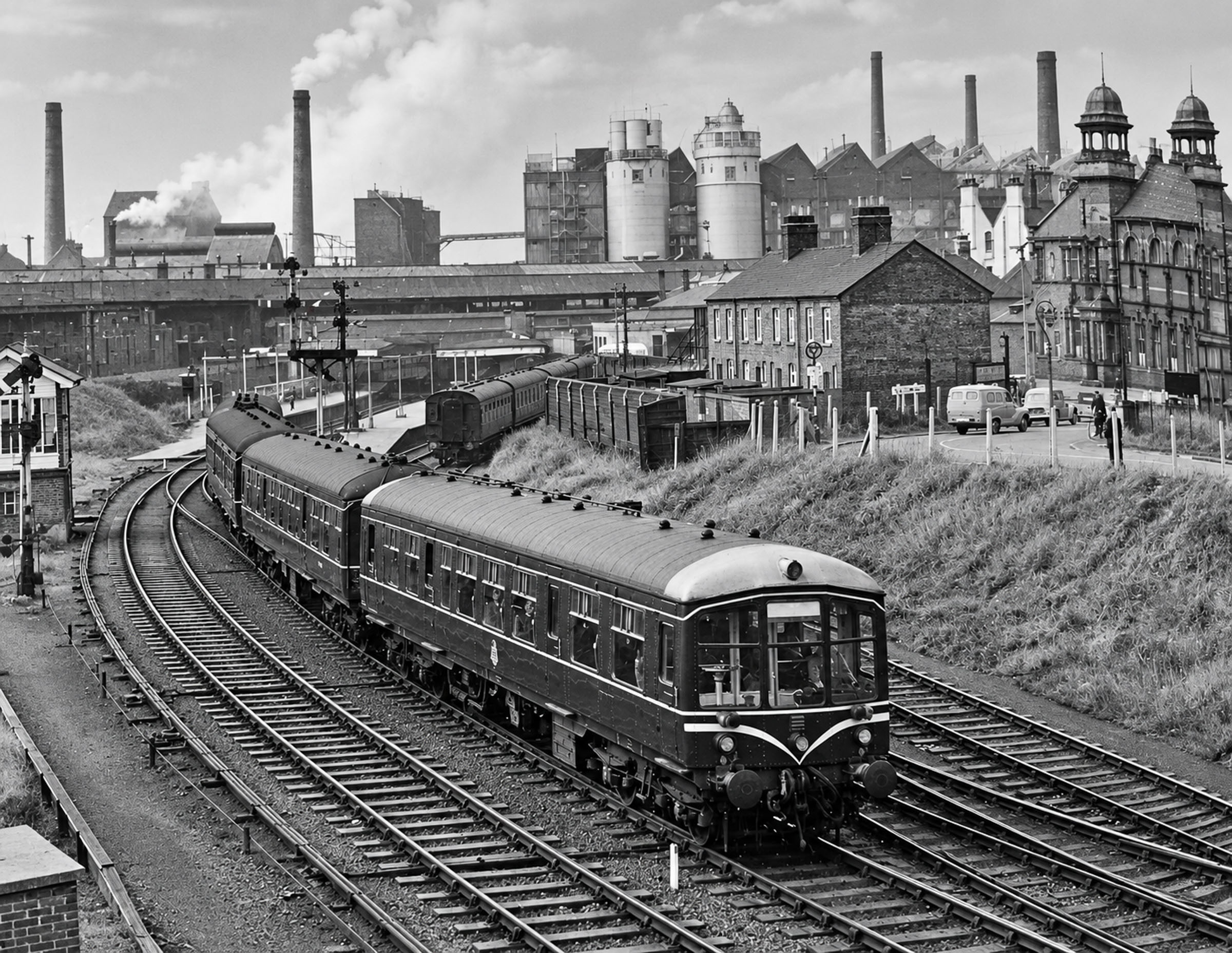
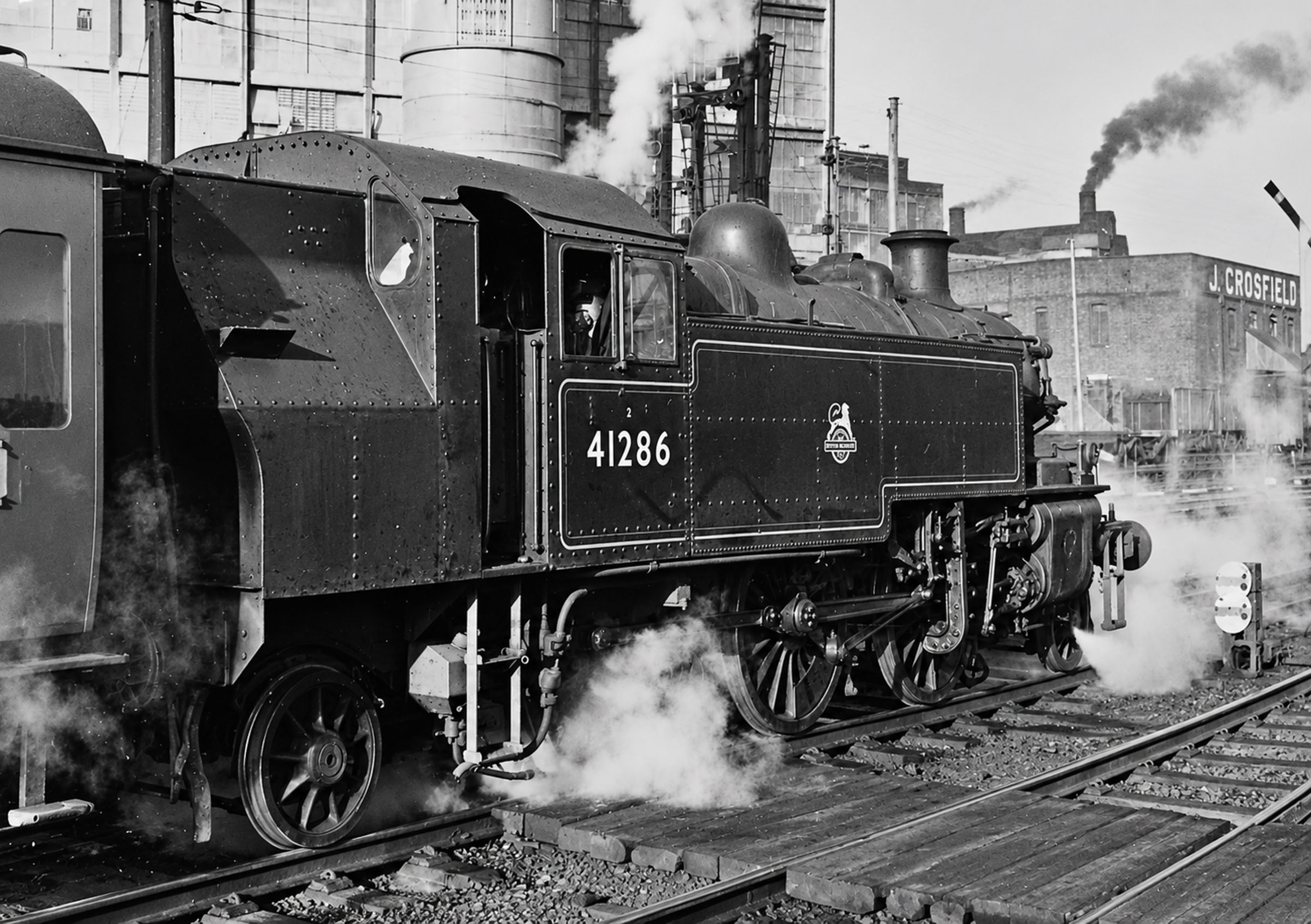
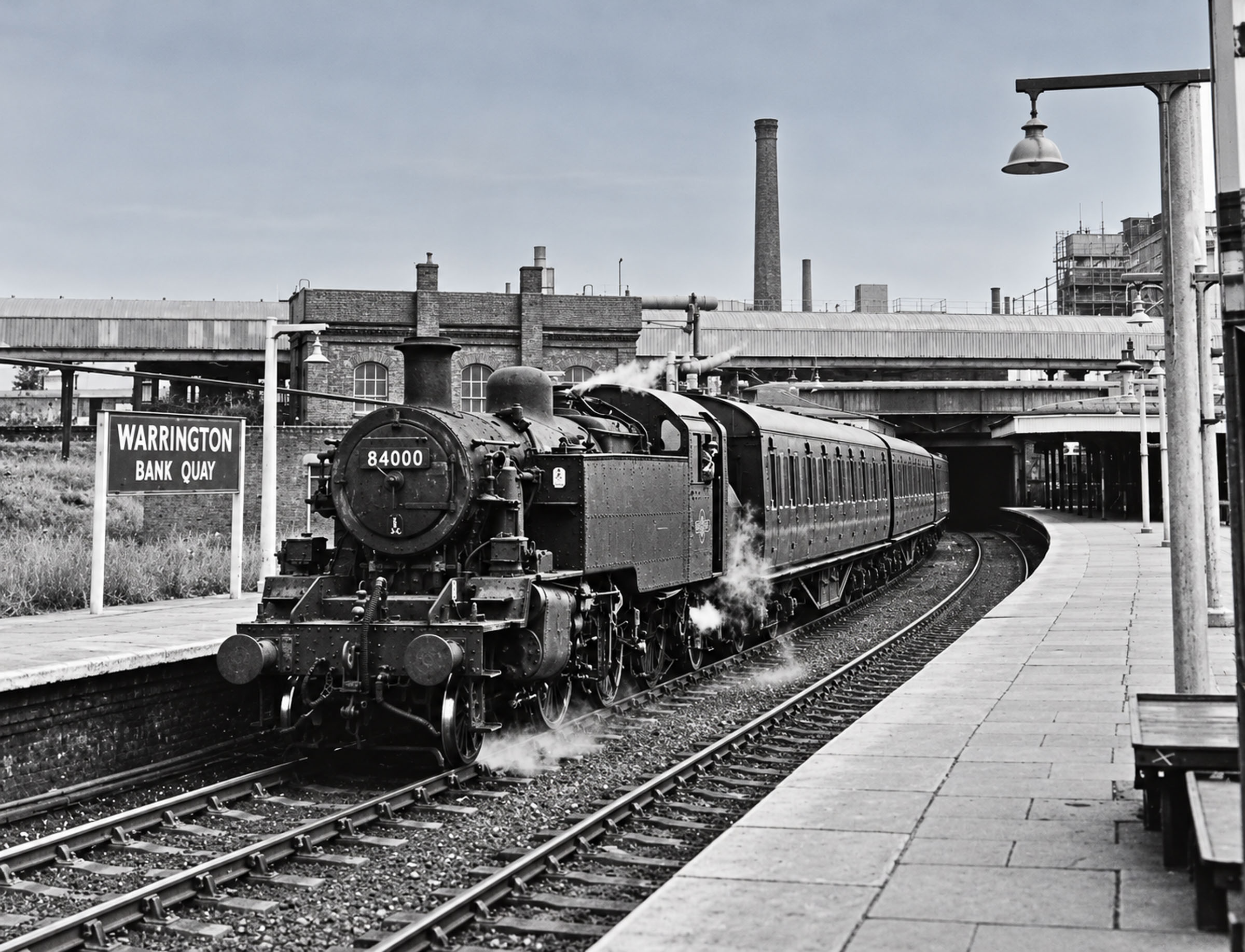
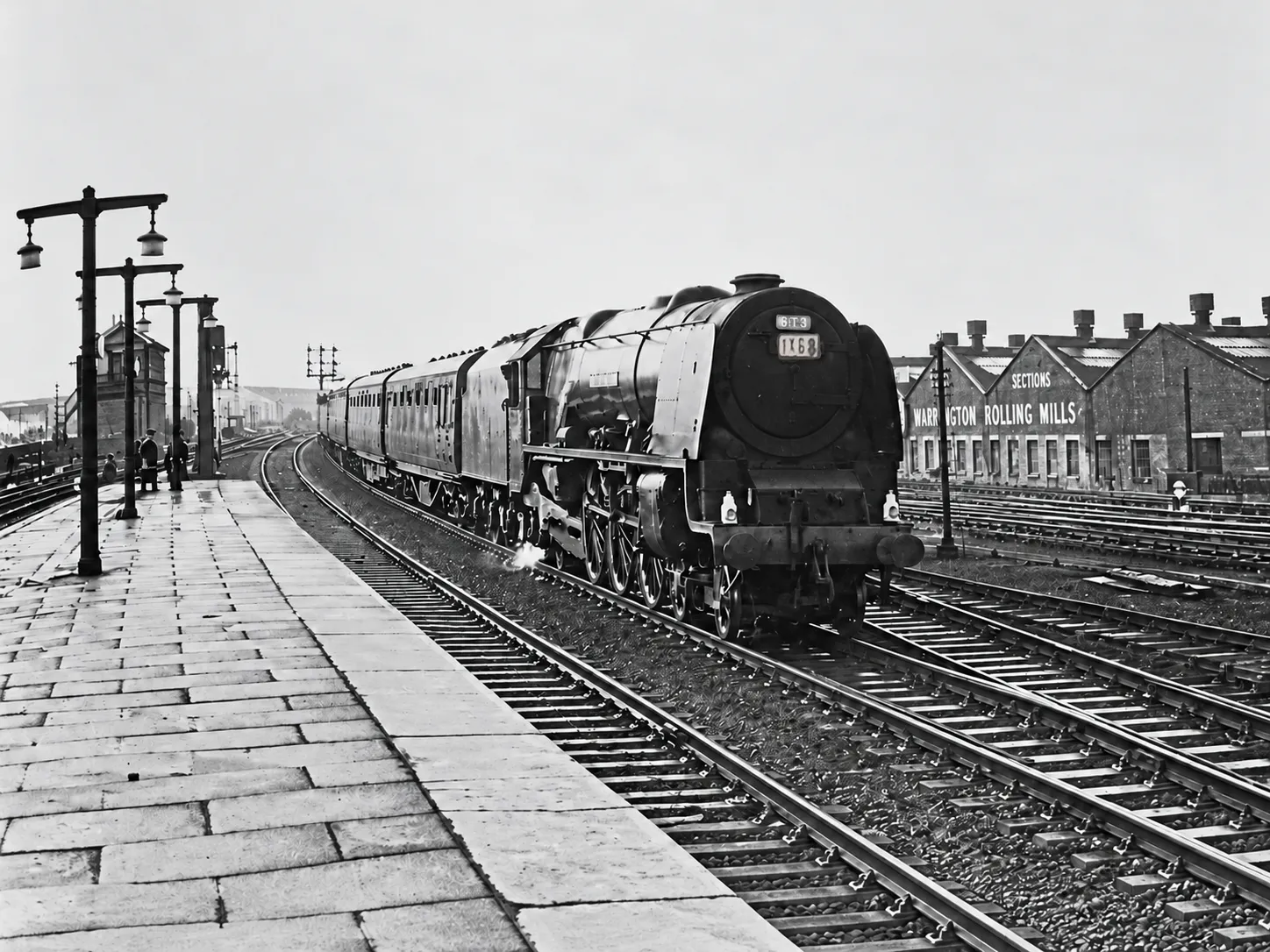
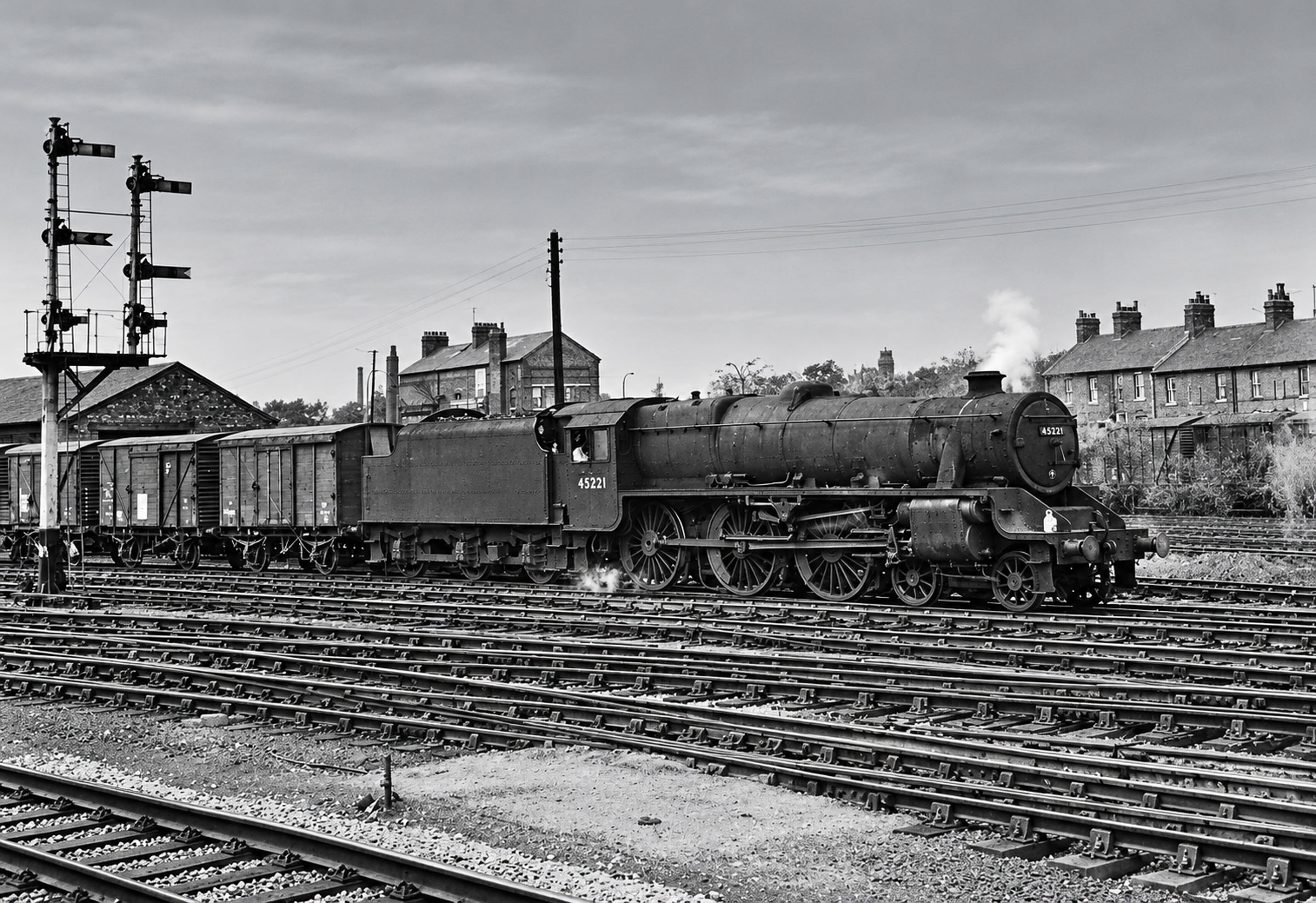
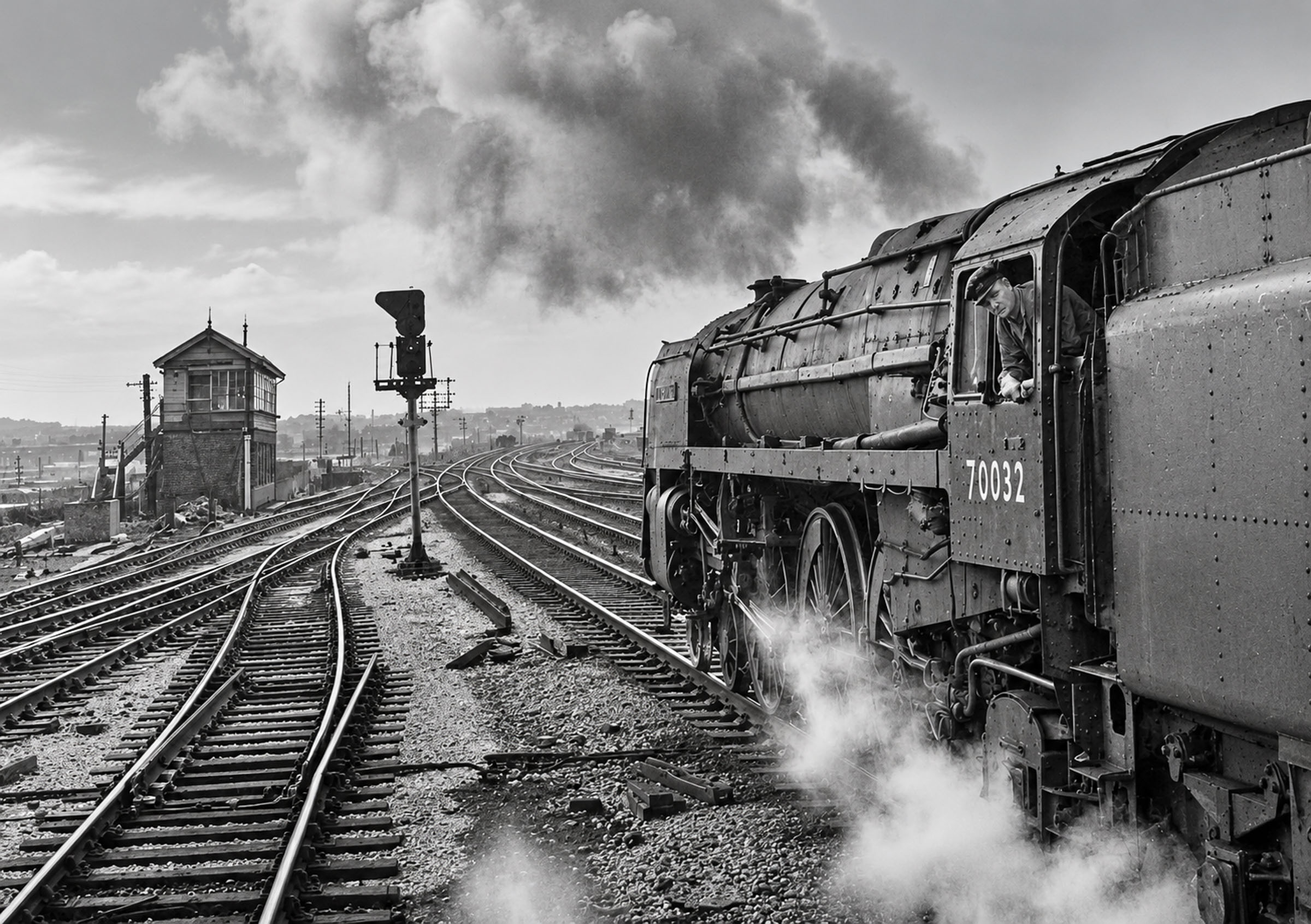
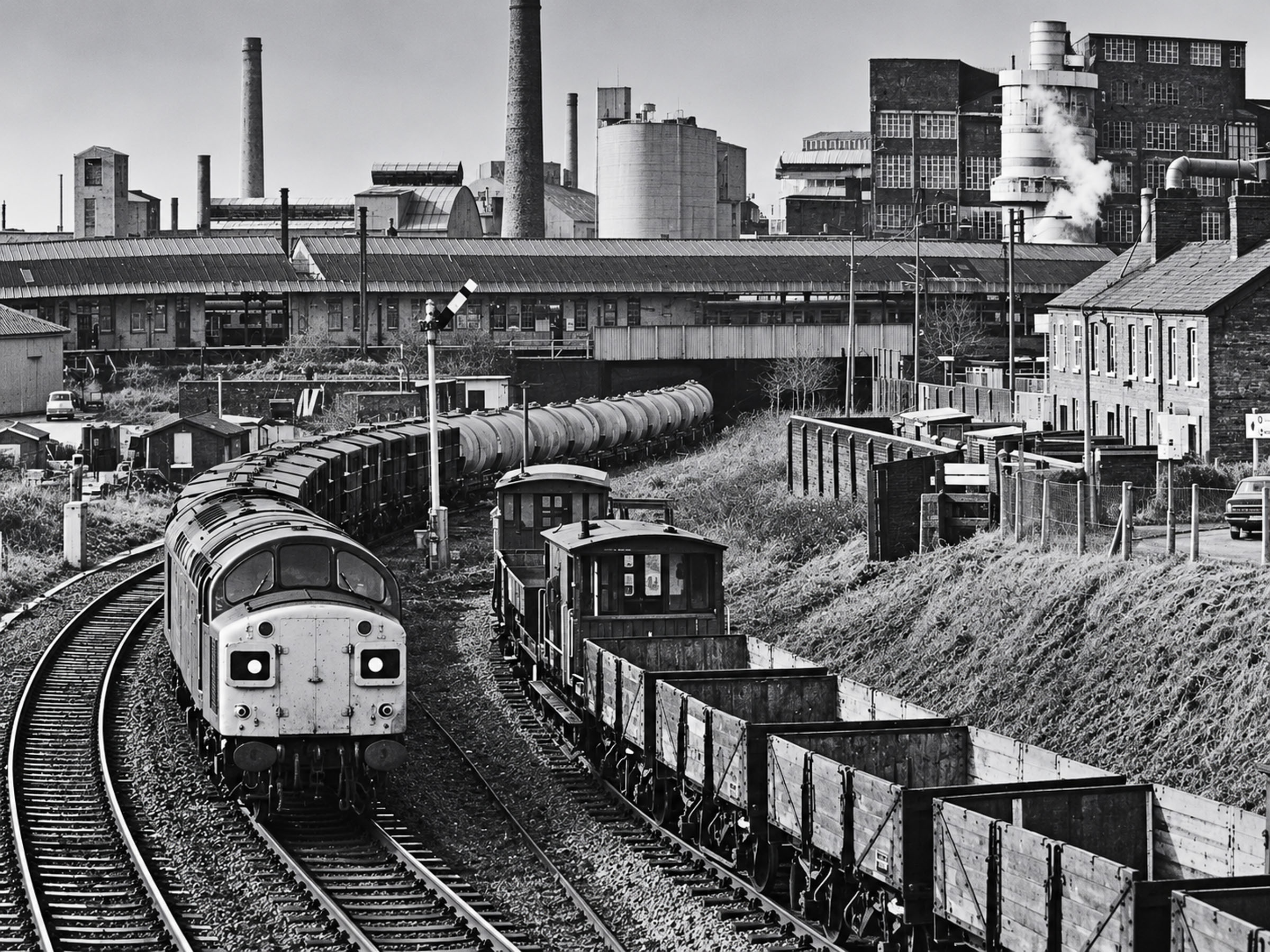
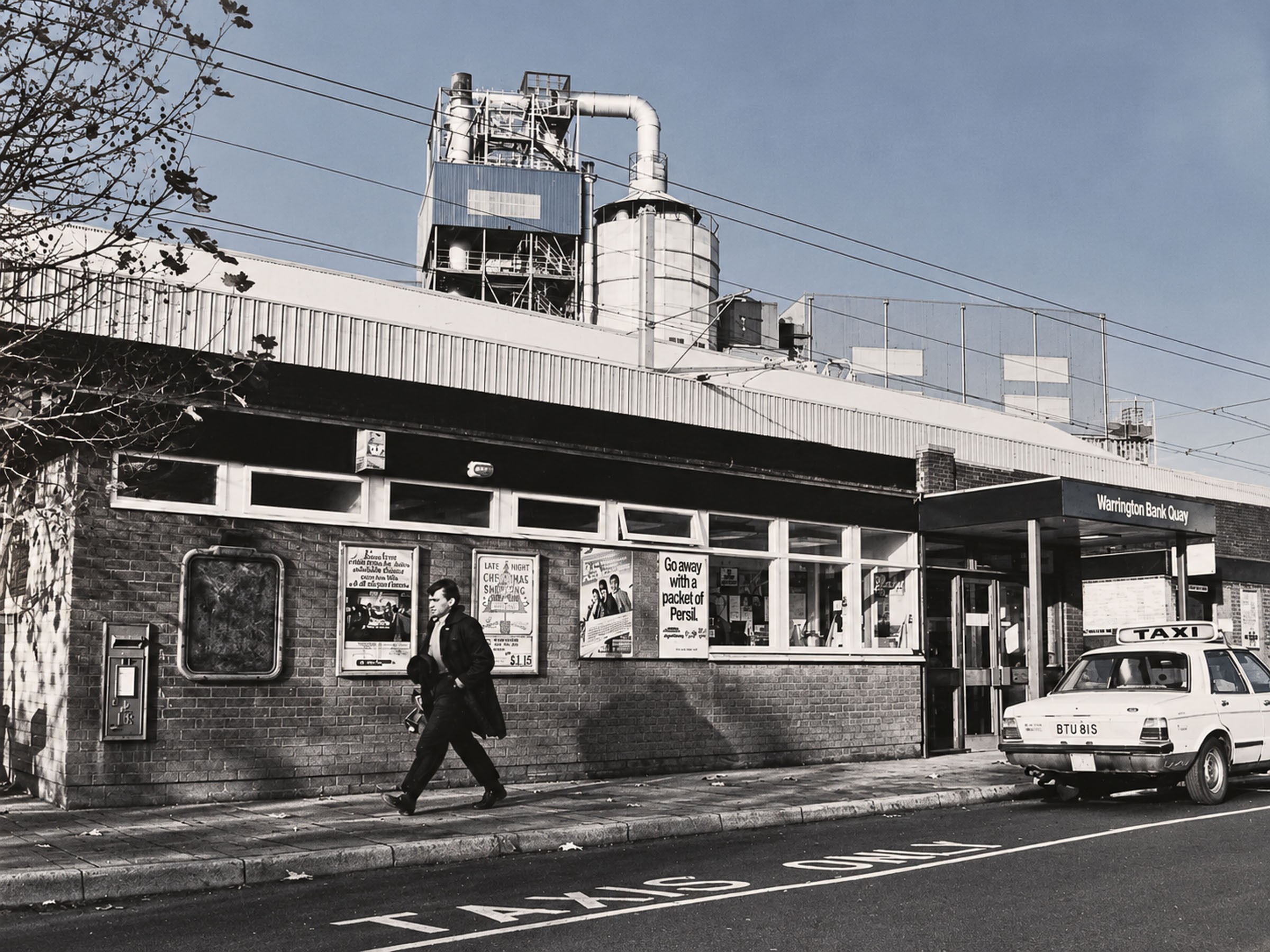
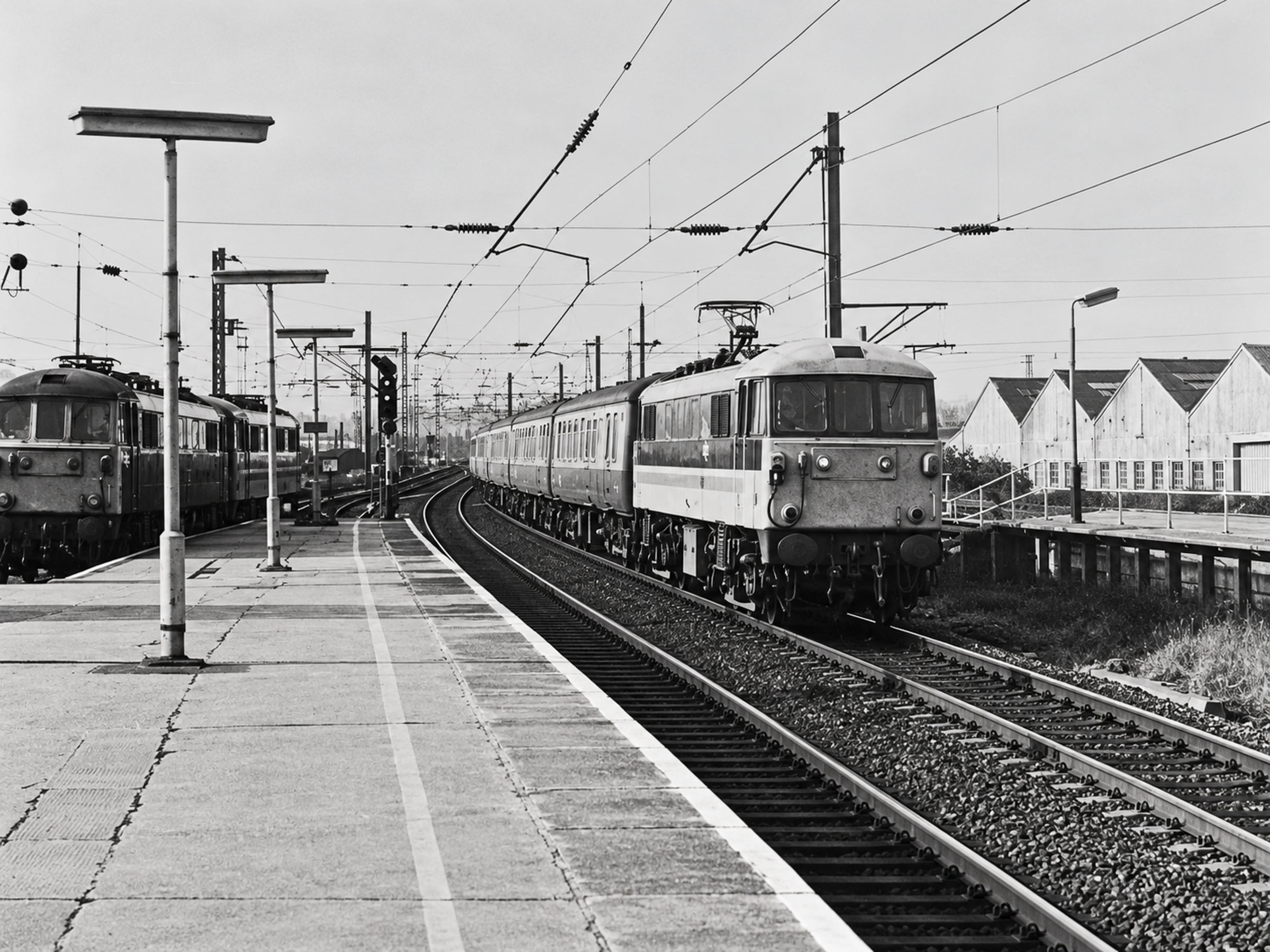
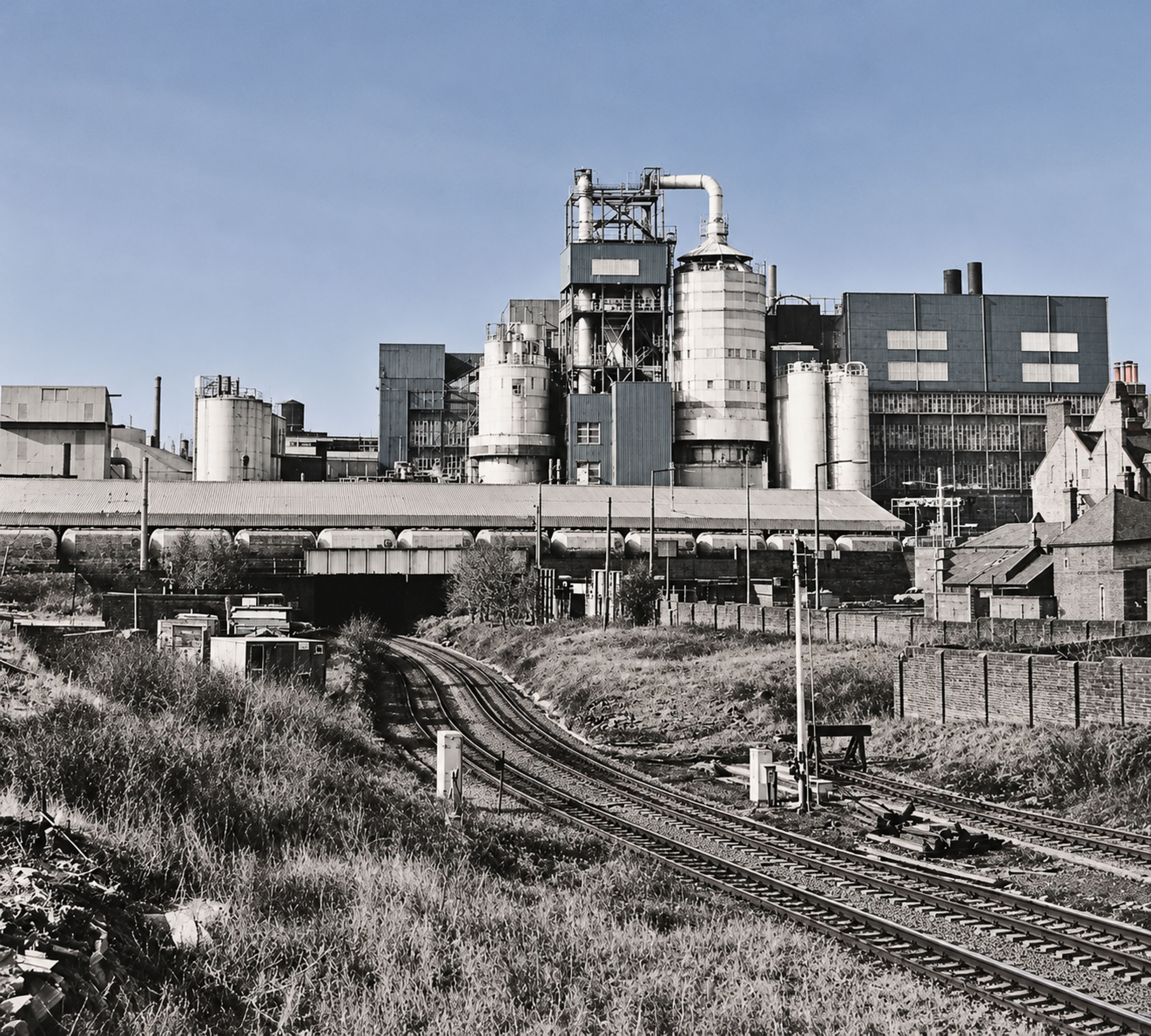
Warrington Bank Quay Railway History in Pictures
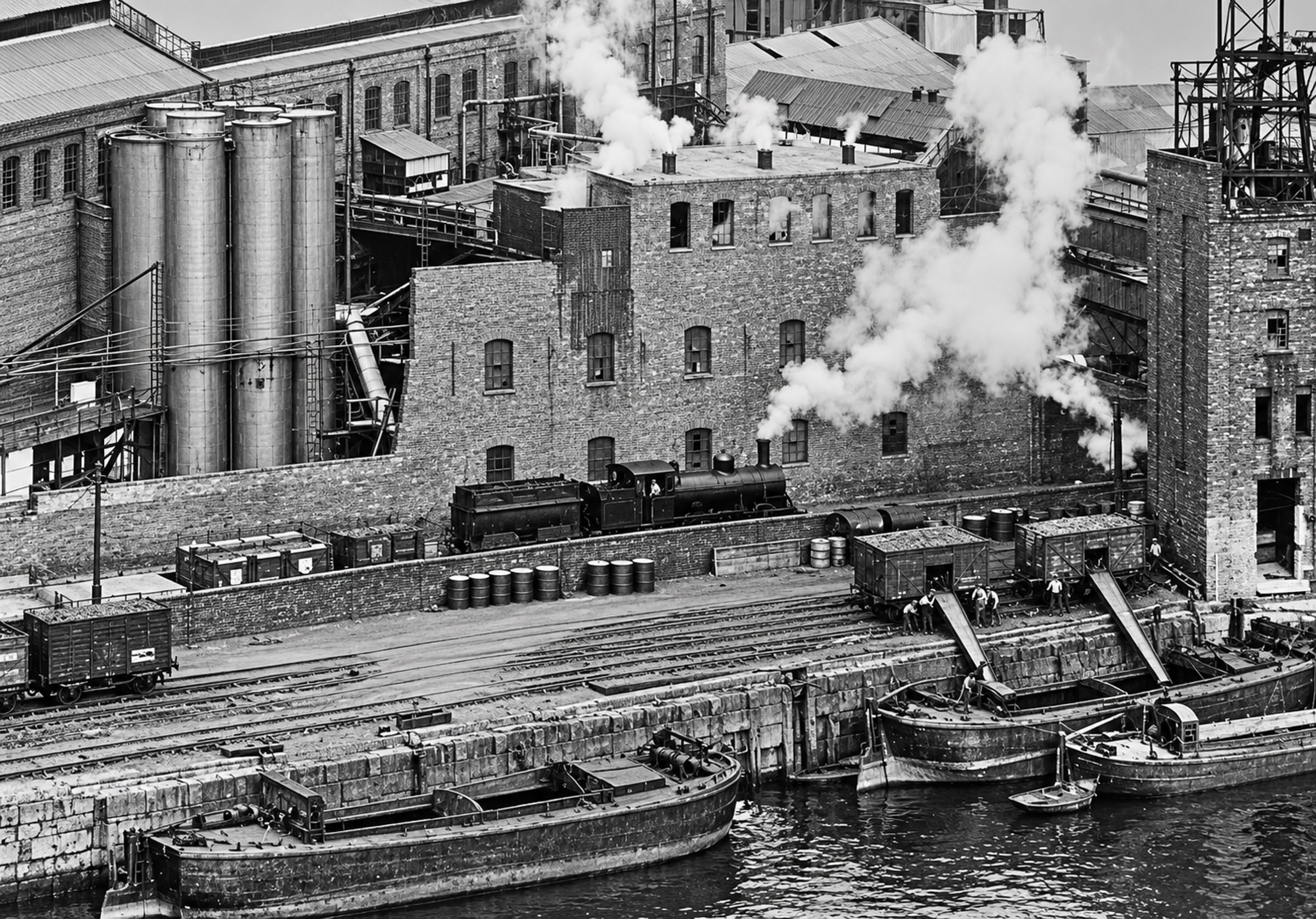
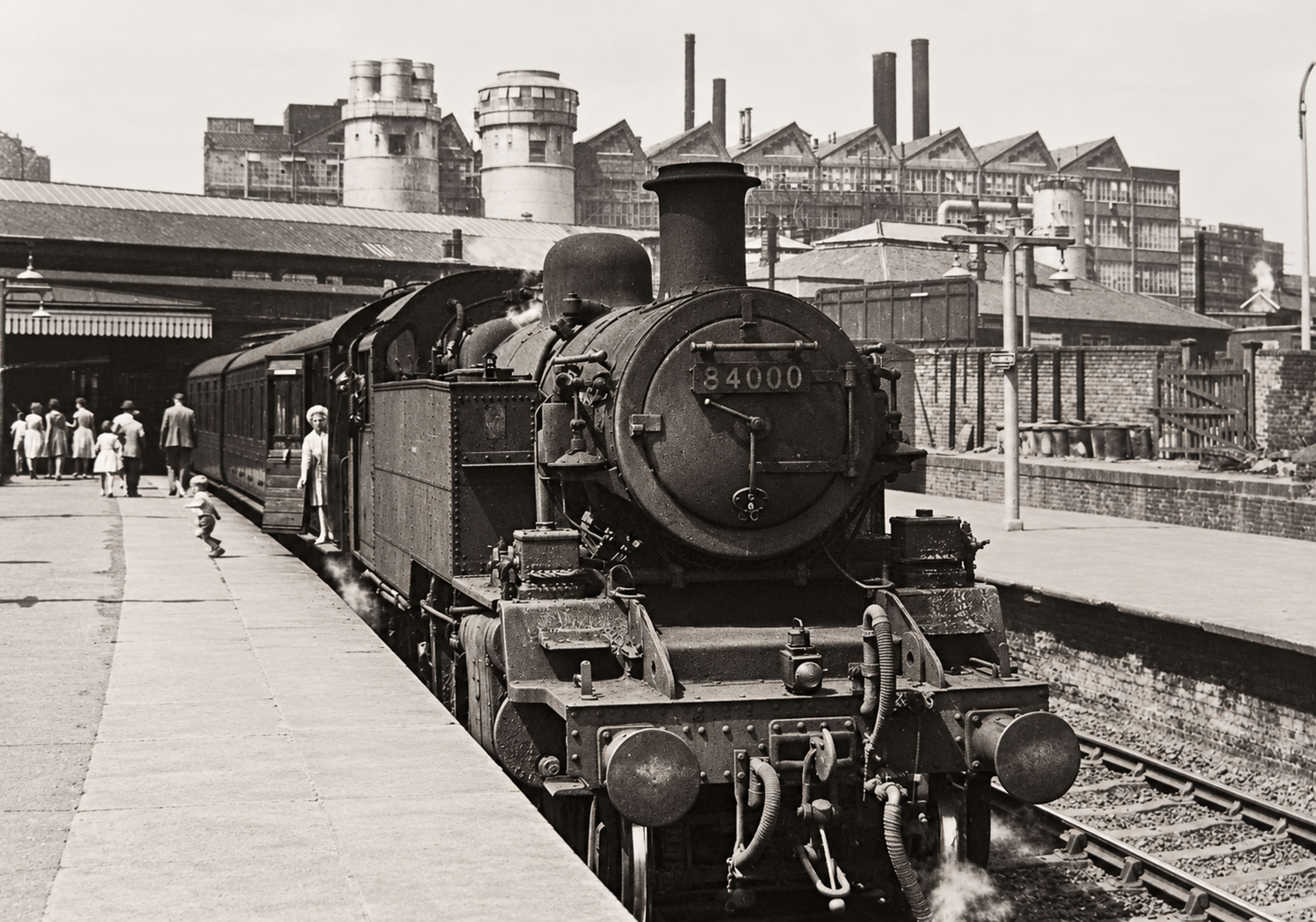
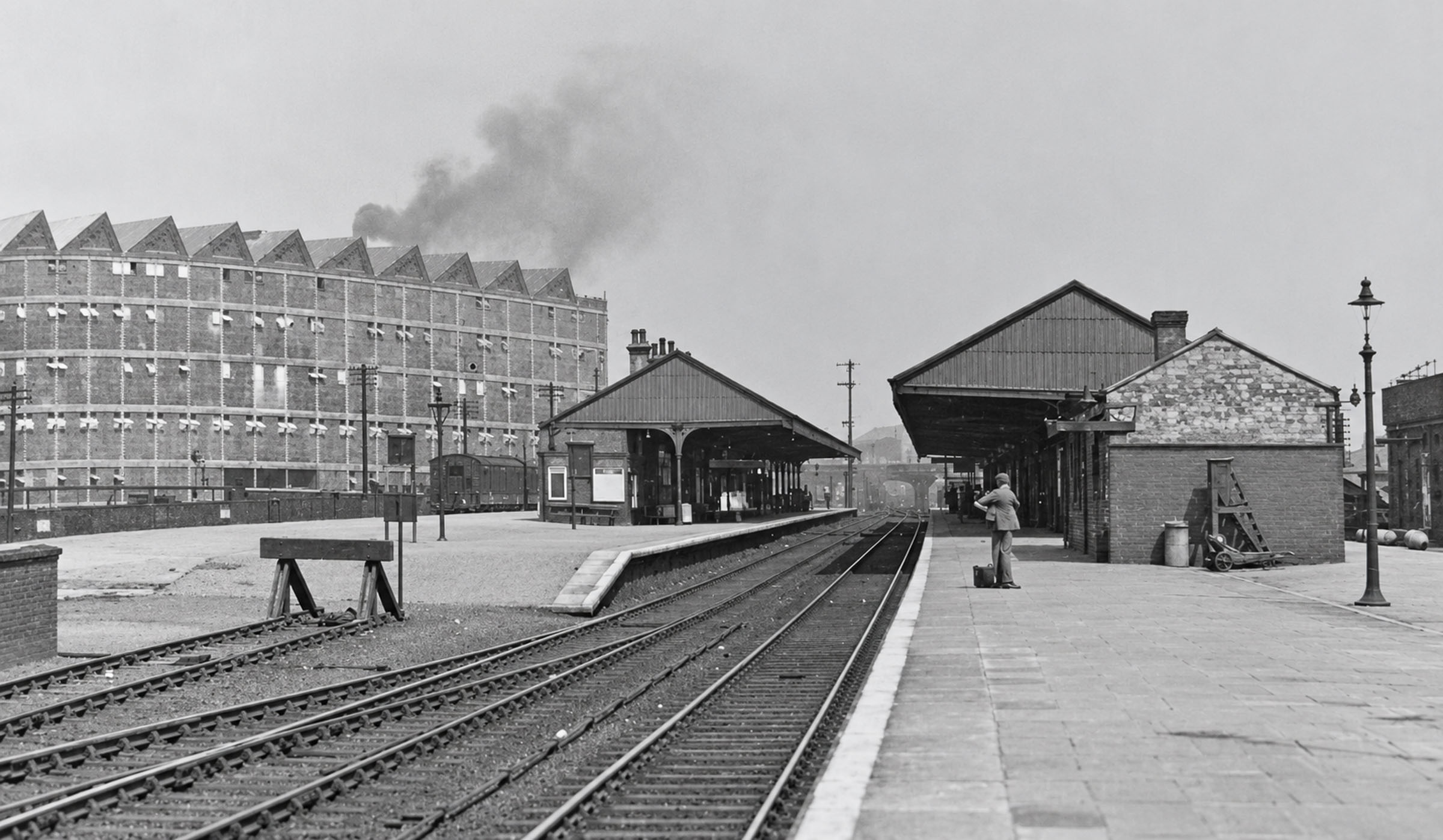
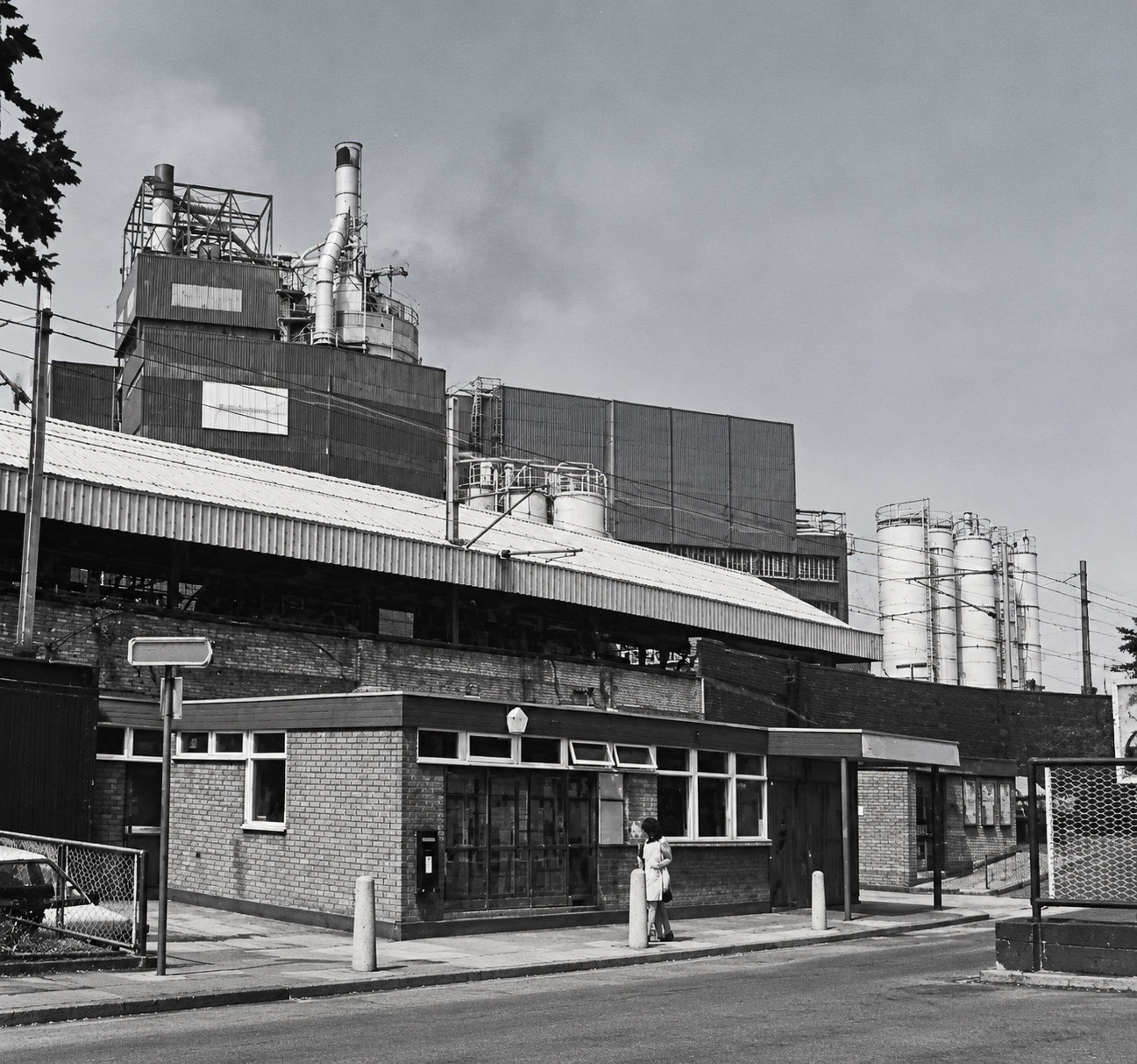
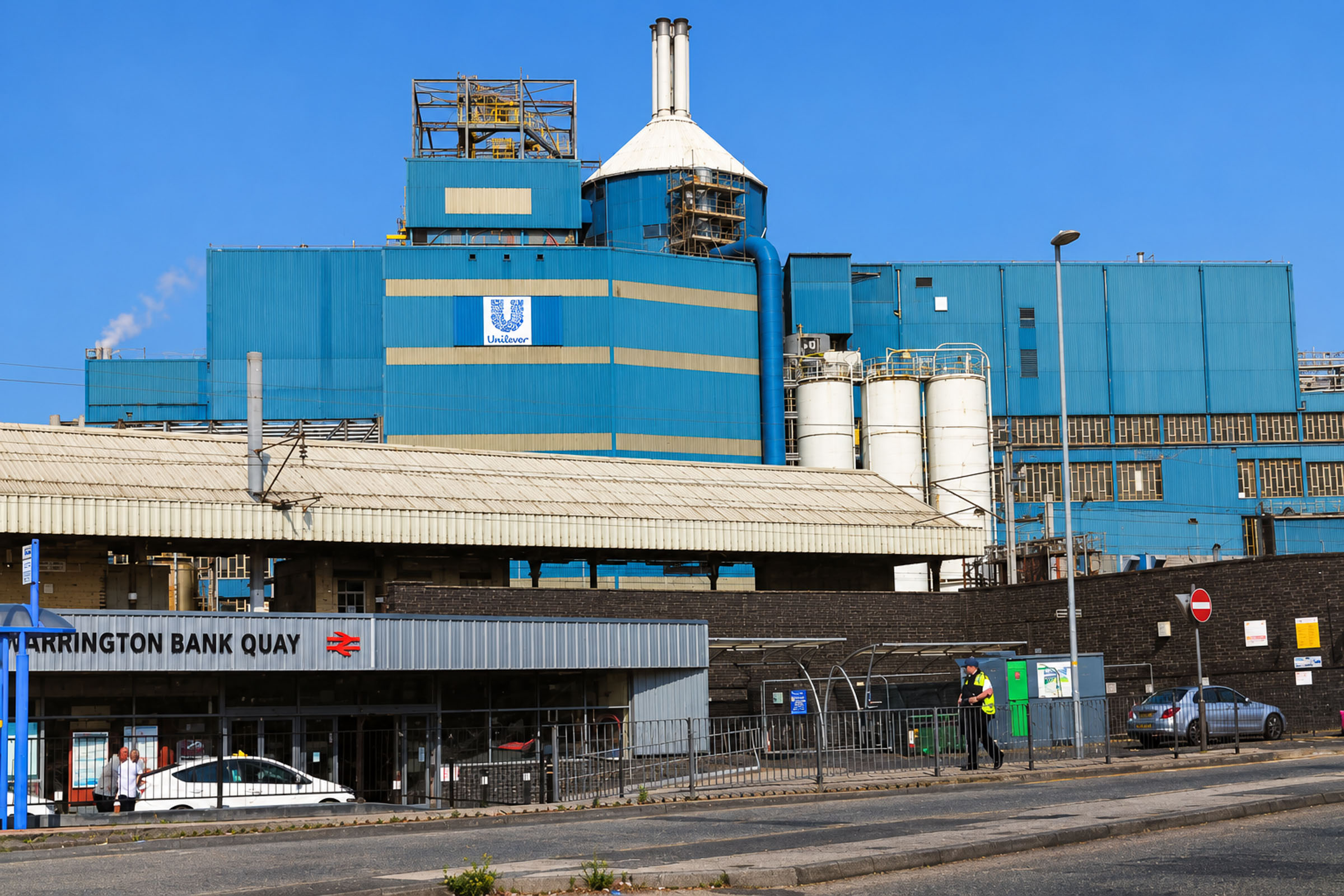
Explore the rich railway heritage of Warrington Bank Quay through a collection of historic photographs, images and local memories. From the station’s early development to the changing trains, railway infrastructure and surrounding industrial landscape, these images provide a fascinating glimpse into the history of one of Warrington’s most important railway connections.
Together, they reveal how the railway helped shape Warrington’s industrial growth, connected communities and supported the movement of passengers and goods. As we continue to expand this collection, we welcome photographs, documents and personal memories that can help preserve the railway heritage of Warrington Bank Quay for future generations.
About the Timeline
This timeline has been developed through local historical research undertaken by Carole Watson, also known as Tufty, with the material adapted for the North Cheshire Community Rail Partnership website.
It brings together the history of Warrington Bank Quay with wider railway developments, local events and community stories to explore how the railways have developed alongside the town.
The timeline is a developing resource and will continue to grow as further research, photographs, archive material and community memories are identified and shared.
Help Us Tell the Story
Do you have old photographs, memories or stories connected with Warrington Bank Quay or the railways around Warrington?
We’d love to hear from you and help preserve these stories for future generations.
Continue Exploring Our Railway History
Warrington’s railway story forms part of a much wider network of railway heritage across North Cheshire, Halton and the surrounding area.
Explore our other local timelines to discover how railways shaped Frodsham, Helsby, Ellesmere Port and the historic route between Chester and Birkenhead. Together, these stories reveal how the railway developed alongside the communities it continues to connect.