Chester to Birkenhead
Railway History
Discover how nearly two centuries of railway history have connected Chester, the Wirral and Birkenhead, shaping local communities, industry and travel.
North Cheshire Community Rail Partnership
A Historic Railway Connecting Chester and Birkenhead
The Chester to Birkenhead railway has played an important role in the development of Cheshire and the Wirral for more than 180 years. Originally built to connect Chester with the growing port of Birkenhead, the railway became a vital route for passengers, trade and industry.
Since the first trains began running in 1840, the line has experienced remarkable changes. Victorian steam locomotives, busy ferry connections, industrial freight movements and the introduction of electric trains have all shaped its history.
Along the way, stations have opened, closed and changed to meet the needs of their communities. Meanwhile, improvements to railway infrastructure have helped create the modern Merseyrail network that serves passengers today.
The timeline below explores the people, places and events behind this historic route. In addition, it highlights how railway development has influenced everyday life, employment and connections between communities across generations.
Explore the Chester to Birkenhead Railway Timeline
From the railway’s earliest proposals in the 1830s to the arrival of modern electric trains, the Chester to Birkenhead route has continually adapted to changing transport needs.
This timeline brings together significant railway milestones, the development of local stations and wider historical events. As a result, it provides a fascinating insight into the railway’s contribution to the communities it connects.
Explore the different periods below to discover how this important railway developed and how its history continues to influence travel across Chester and the Wirral.
The Chester and Birkenhead Railway Act received Royal Assent, providing the legal authority to construct a new railway between Chester and Birkenhead.
George Stephenson, one of Britain's pioneering railway engineers, had been involved in developing the proposed route. Consequently, the project formed part of the rapidly expanding railway network that would transform transport across Britain.
The first regular passenger services began operating between Chester and Birkenhead on 23 September 1840.
The original single-track railway connected Chester's first station near Brook Street with a terminus at Birkenhead Grange Lane. Along the way, intermediate stations served developing communities, including Mollington, Sutton and Bebington.
The new railway provided an important alternative to longer journeys by road. Furthermore, it created opportunities for trade and travel between Chester, the Wirral and the River Mersey.
The Chester to Birkenhead railway was extended to a new terminus at Monks Ferry, bringing passengers closer to the ferry services operating across the River Mersey.
Previously, travellers arriving at Grange Lane faced an additional journey to reach the waterfront. The extension therefore improved connections between the railway and ferry services to Liverpool.
Following the opening, Grange Lane closed to passenger traffic, although the site continued to have a role in railway goods operations.
A new railway extension opened from the Grange Lane area towards the developing Birkenhead docks.
The route was designed to support goods traffic and the movement of materials associated with the port. As a result, it strengthened the connection between the railway and Birkenhead's expanding commercial and industrial activities.
The Chester and Birkenhead Railway was amalgamated with the Birkenhead, Lancashire and Cheshire Junction Railway.
The merger brought together railway interests serving the wider region. Subsequently, the combined undertaking helped develop connections between Birkenhead, Chester and Warrington.
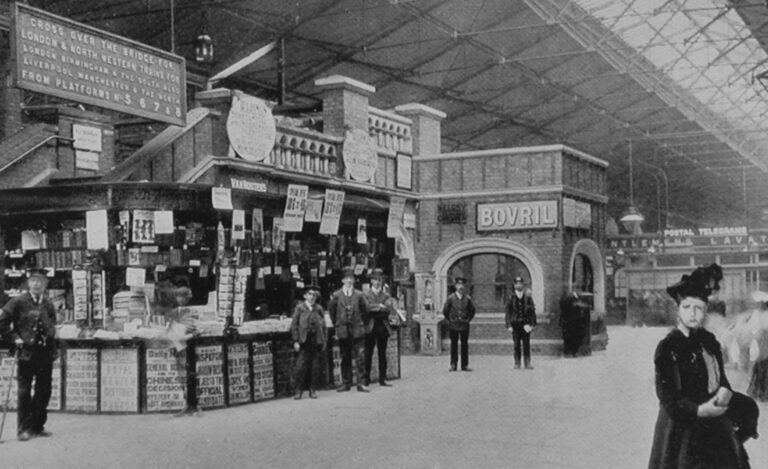
Chester's new joint railway station opened, replacing the earlier facilities near Brook Street.
Designed by architect Francis Thompson and constructed by railway contractor Thomas Brassey, the impressive station brought several railway routes together in one location.
As railway travel expanded, the new station became an important gateway to Chester, providing connections for passengers travelling throughout Cheshire, North Wales and beyond.
The Birkenhead, Lancashire and Cheshire Junction Railway adopted the name Birkenhead Railway.
By this time, railway connections had expanded considerably, linking the port of Birkenhead with communities and industrial centres across Cheshire.
The name change reflected a new chapter in the company's development. Furthermore, discussions about joint railway ownership would soon reshape its future.
The Great Western Railway (GWR) and London and North Western Railway (LNWR) established joint ownership of the Birkenhead Railway, with arrangements subsequently confirmed by the Birkenhead Railway (Vesting) Act 1861.
The agreement brought two major railway companies together in managing an important regional route.
Consequently, the line became part of a much wider railway network, supporting passenger journeys and the movement of freight between Birkenhead, Chester and destinations further afield.
A new railway connection opened between Hooton and Helsby, extending the network across southern Wirral and north Cheshire.
The route provided additional opportunities for passenger and freight transport. Moreover, it helped strengthen railway connections between Chester, Birkenhead, Ellesmere Port and Helsby.
This development also forms an important part of the wider railway history of Frodsham and Helsby.
Birkenhead Woodside Station opened as a new railway terminus close to the River Mersey, replacing Monks Ferry for passenger services.
The impressive new station offered improved connections with the Woodside ferry, making journeys between Liverpool, Birkenhead and destinations beyond more convenient.
Over the following decades, Woodside became an important terminus for passenger and freight services, including long-distance railway connections towards London.
Birkenhead Town Station opened on the railway approaching the Woodside terminus.
Situated close to the developing commercial centre of Birkenhead, the station provided another access point for railway passengers.
However, changing travel patterns would eventually reduce its importance, leading to its closure during the twentieth century.
As railway traffic increased, sections of the Chester to Birkenhead route were expanded from two tracks to four between Ledsham Junction and Birkenhead.
The additional tracks helped accommodate growing passenger and goods traffic, reflecting the importance of the railway to local industry and transport.
These improvements demonstrated how the railway continued to adapt to the demands of an expanding regional economy.
Electrification of the railway between Birkenhead Park and West Kirby introduced modern electric services, improving connections with the existing Mersey Railway network.
The new services offered passengers more convenient journeys between parts of the Wirral and Liverpool.
However, the Chester to Birkenhead route remained dependent on steam services at this stage. Its own transformation to electric operation would come many decades later.
Upton-by-Chester Halt opened to serve the growing residential community north of Chester.
The station also provided access to Moston Military Hospital during the Second World War, demonstrating the importance of the railway to both civilian and military needs.
Although the station would eventually close, its history remains an important part of the route's development.
During the Second World War, the Chester to Birkenhead railway continued to provide transport connections for communities, industry and wartime activities.
The route formed part of a wider railway network supporting the movement of passengers and goods during a period of national emergency.
Research into the line's contribution to military freight and wartime transport is continuing, including its connections with the docks and surrounding industrial areas.
Birkenhead Town Station closed to passenger services after more than 55 years.
Changing patterns of railway use had reduced the station's importance. Nevertheless, the railway line towards Woodside remained operational for more than two further decades.
Britain's major railway companies were brought into public ownership under the Transport Act 1947.
The Chester to Birkenhead route consequently became part of British Railways, marking the end of the long period of joint ownership by the Great Western and London and North Western railway interests and their successors.
Although ownership changed, the railway continued to provide important passenger and freight connections across the region.
Mollington Station closed to passenger services after almost 120 years.
Originally opened with the Chester to Birkenhead railway in 1840, the station had served the surrounding rural community for generations.
However, its relatively isolated location and declining passenger numbers contributed to its closure. Goods facilities remained available for several more years before closing in January 1965.
Dr Richard Beeching published The Reshaping of British Railways, recommending widespread station and route closures to reduce railway operating losses.
The proposals led to substantial changes across Britain's railway network. Consequently, many communities lost railway connections that had existed since the Victorian era.
Birkenhead Woodside was among the stations affected by the wider programme of railway contraction during the 1960s.
After almost 90 years as a major railway terminus, Birkenhead Woodside closed to passengers.
The closure followed the withdrawal of long-distance through services earlier that year. As a result, Chester to Birkenhead passenger trains were cut back to Rock Ferry, where passengers could connect with electric services towards Liverpool.
The loss of Woodside marked the end of an important chapter in Birkenhead's railway history and its connection with the River Mersey ferries.
Upton-by-Chester Station closed after more than four decades, with the new Bache Station opening on the same day.
Located further south, Bache offered improved access to nearby residential areas and facilities, including the growing hospital complex.
The change demonstrated how railway stations could be relocated to better meet the needs of their surrounding communities.
Third-rail electrification was extended from Rock Ferry to Hooton, introducing direct electric services towards Liverpool.
The improvements also coincided with the opening of Bromborough Rake Station, providing an additional railway connection for the surrounding community.
Meanwhile, passengers travelling between Chester and Hooton continued using diesel services until the next stage of electrification.
Electric passenger services began between Chester and Liverpool following the extension of third-rail electrification from Hooton to Chester.
For the first time, passengers could travel along the entire Chester to Liverpool route using modern electric trains.
The development was a significant milestone in the railway's history. Furthermore, it firmly established the Chester to Birkenhead corridor as part of the Merseyrail Wirral Line.
Following the privatisation of British Rail, responsibility for operating Merseyrail's electric passenger services transferred to the private sector.
The Mersey Rail Electrics franchise was awarded to MTL, with operations beginning in January 1997.
Although the operating arrangements changed, the Chester to Birkenhead route remained part of the established Merseyrail network.
Following Arriva's acquisition of MTL, the Merseyrail electric services were rebranded as Arriva Trains Merseyside.
The change represented another stage in the development of the privatised railway. However, the established routes continued to provide passenger connections between Chester, the Wirral and Liverpool.
A joint venture involving Serco and NedRailways, later known as Abellio, took responsibility for operating Merseyrail services.
The new operating arrangements were established under a long-term concession designed to support investment and improvements across the network.
Consequently, the Chester to Birkenhead route entered another phase of railway modernisation.
The existing Class 507 and Class 508 electric trains underwent a major refurbishment programme to improve passenger facilities and extend their working lives.
Improvements included redesigned interiors, updated passenger information and enhanced onboard facilities.
As a result, the familiar trains continued to serve communities across the Merseyrail network for many more years.
Plans were announced for a new fleet of Class 777 electric trains, manufactured by Stadler, to replace the ageing Class 507 and Class 508 units.
The investment aimed to improve passenger comfort, accessibility and reliability across the Merseyrail network.
In addition, selected trains would incorporate battery technology, creating opportunities for future services beyond the existing electrified network.
The new Class 777 trains began their phased introduction to passenger services on the Wirral Line, including journeys between Chester and Liverpool.
Featuring modern interiors, improved passenger information and innovative boarding arrangements, the trains represented a major change in regional railway travel.
Importantly, their level-access boarding technology was designed to make journeys easier for passengers with reduced mobility, parents with pushchairs and people travelling with luggage.
After more than four decades, Merseyrail's Class 507 trains completed their final regular passenger services.
Together with the earlier withdrawal of the Class 508 fleet, their retirement marked the end of a distinctive period in Merseyside's electric railway history.
Meanwhile, the Class 777 fleet established a new chapter for railway travel between Chester, Birkenhead and Liverpool.
Chester to Birkenhead Railway History in Pictures
Explore the history of the Chester to Birkenhead railway through a collection of historic photographs, railway images and memorabilia.
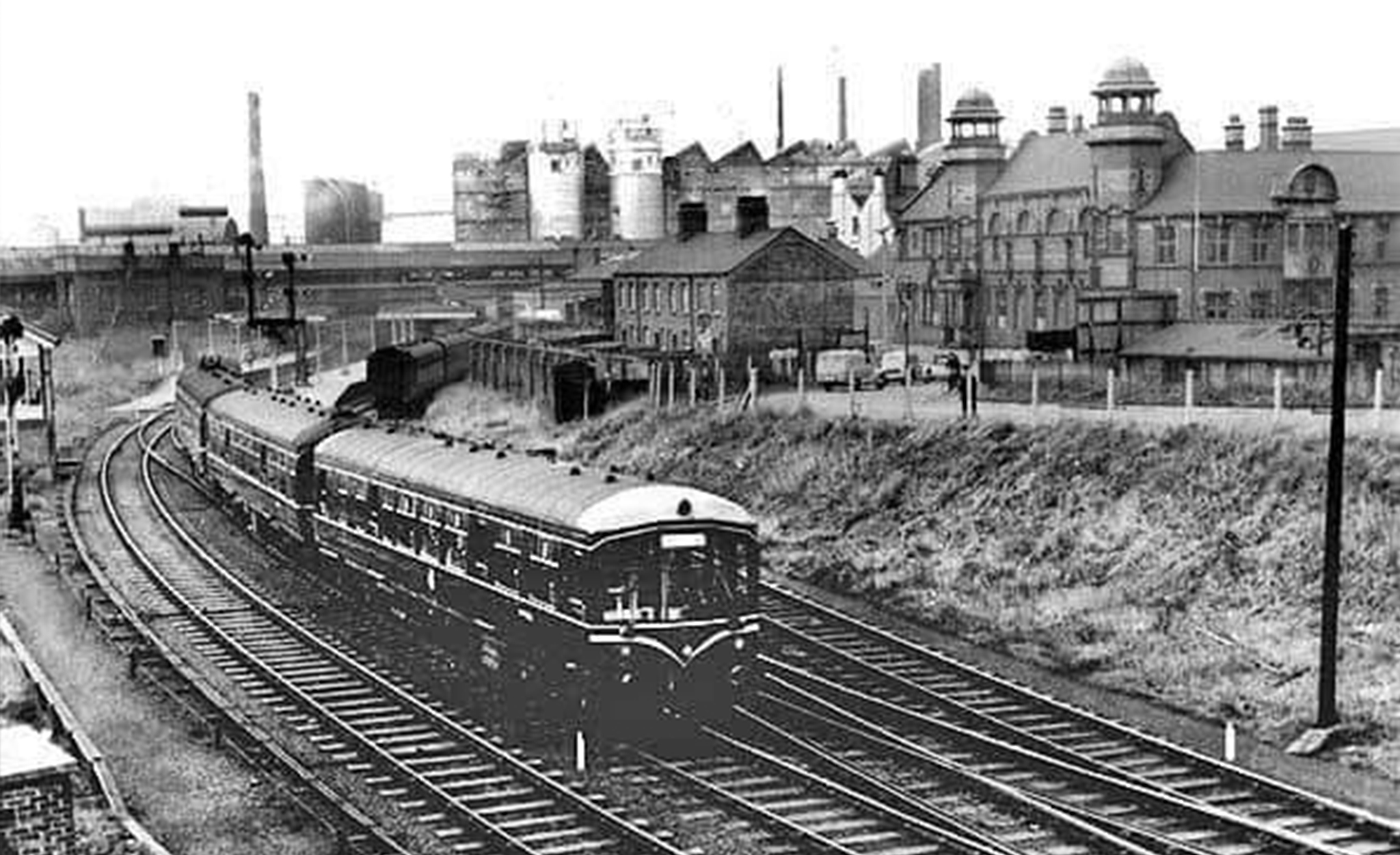
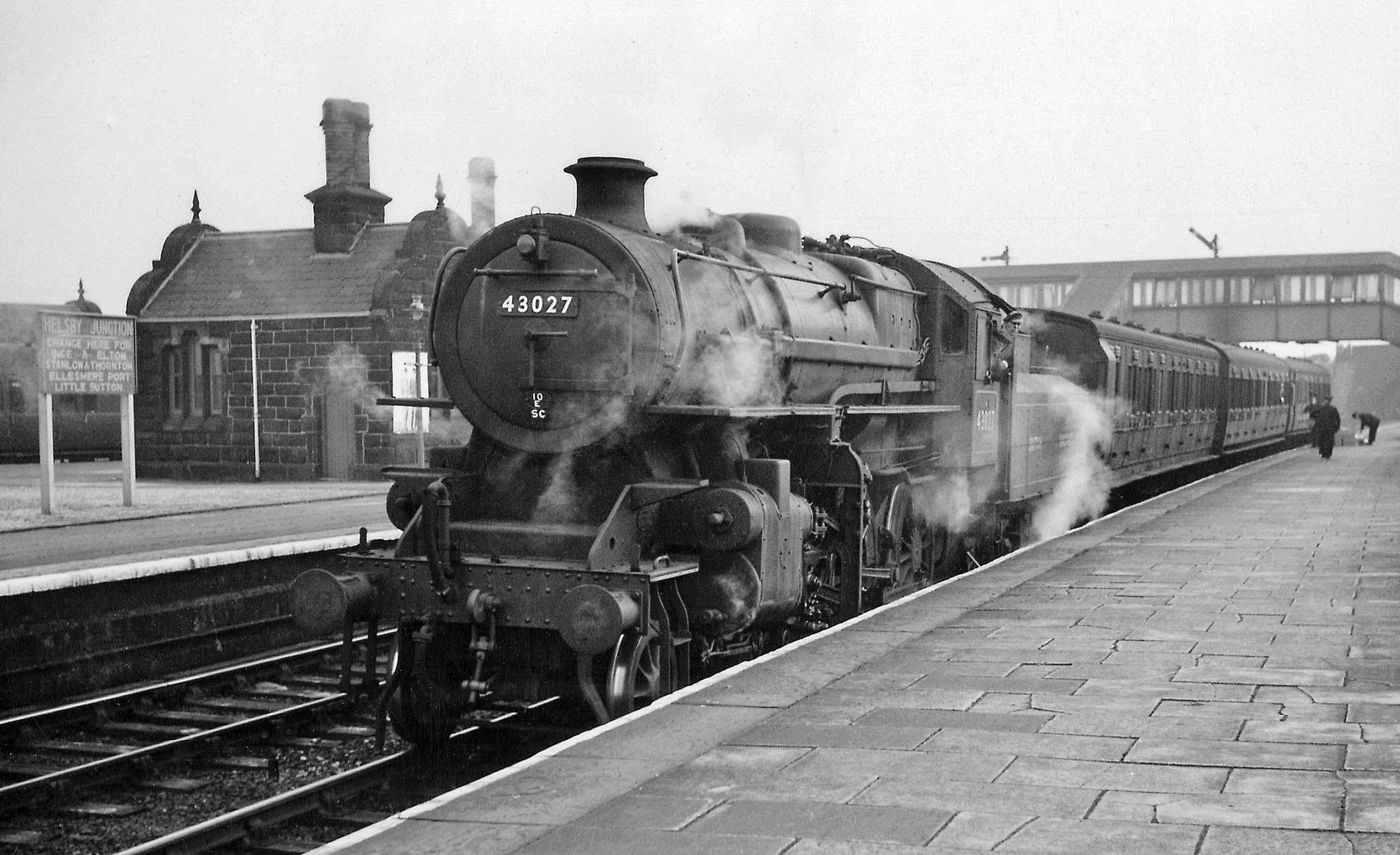
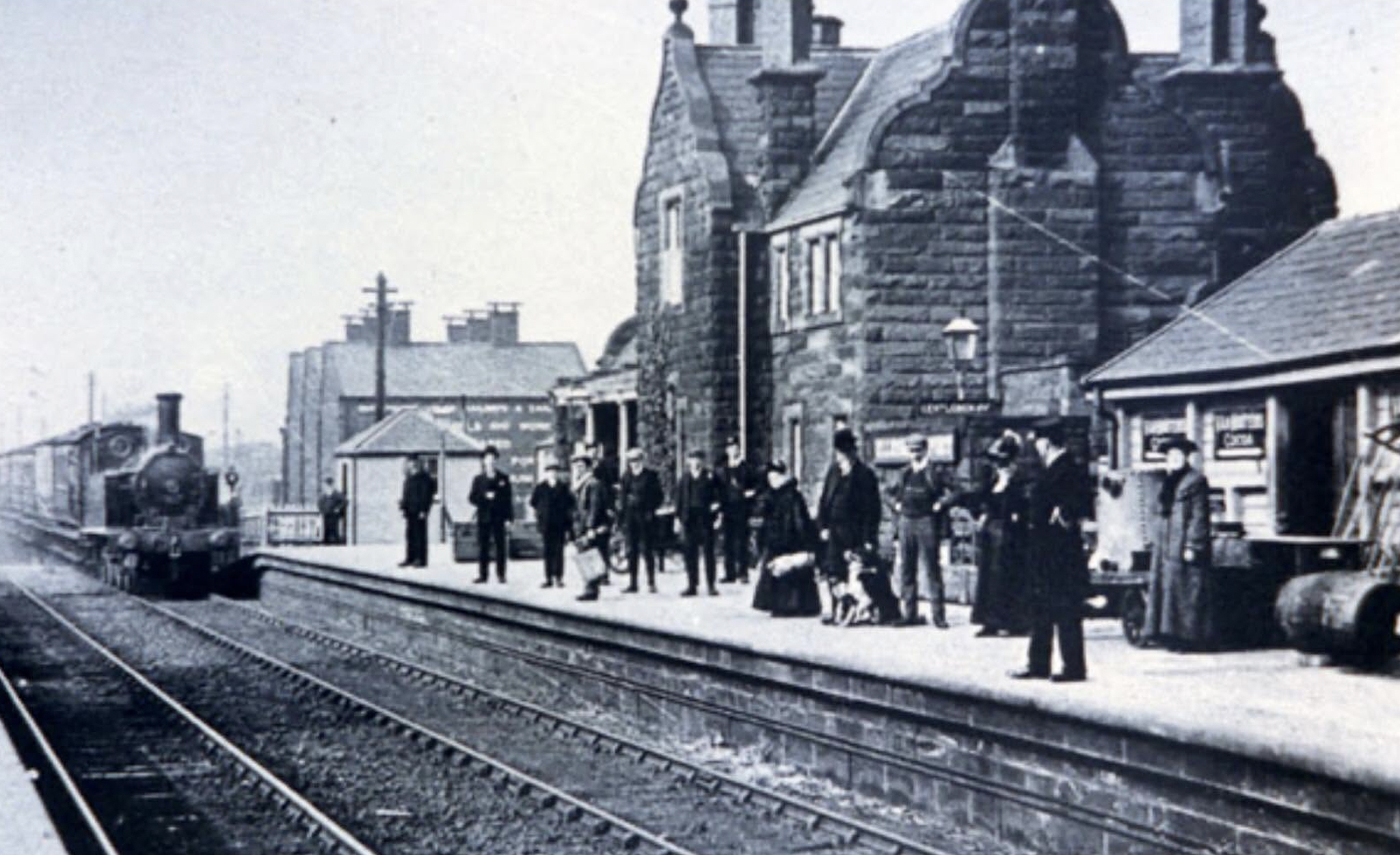
From Victorian railway stations and steam locomotives to early diesel trains and passenger tickets, these images provide a fascinating glimpse into the people, places and transport connections that shaped the route.
Together, they help illustrate how the railway developed alongside local communities and industry. As this collection grows, we hope to include further photographs, documents and personal memories that preserve the route’s railway heritage for future generations.
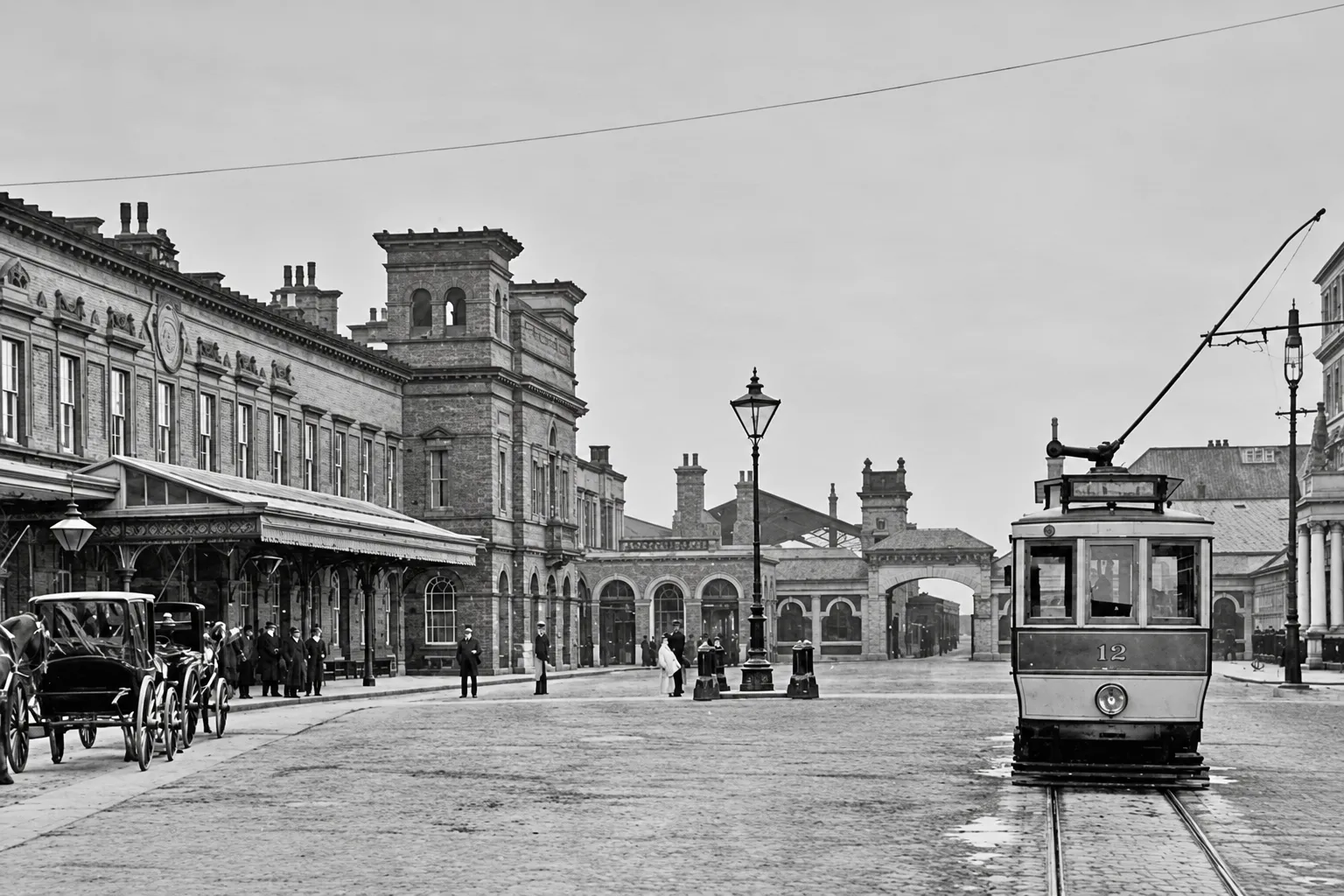
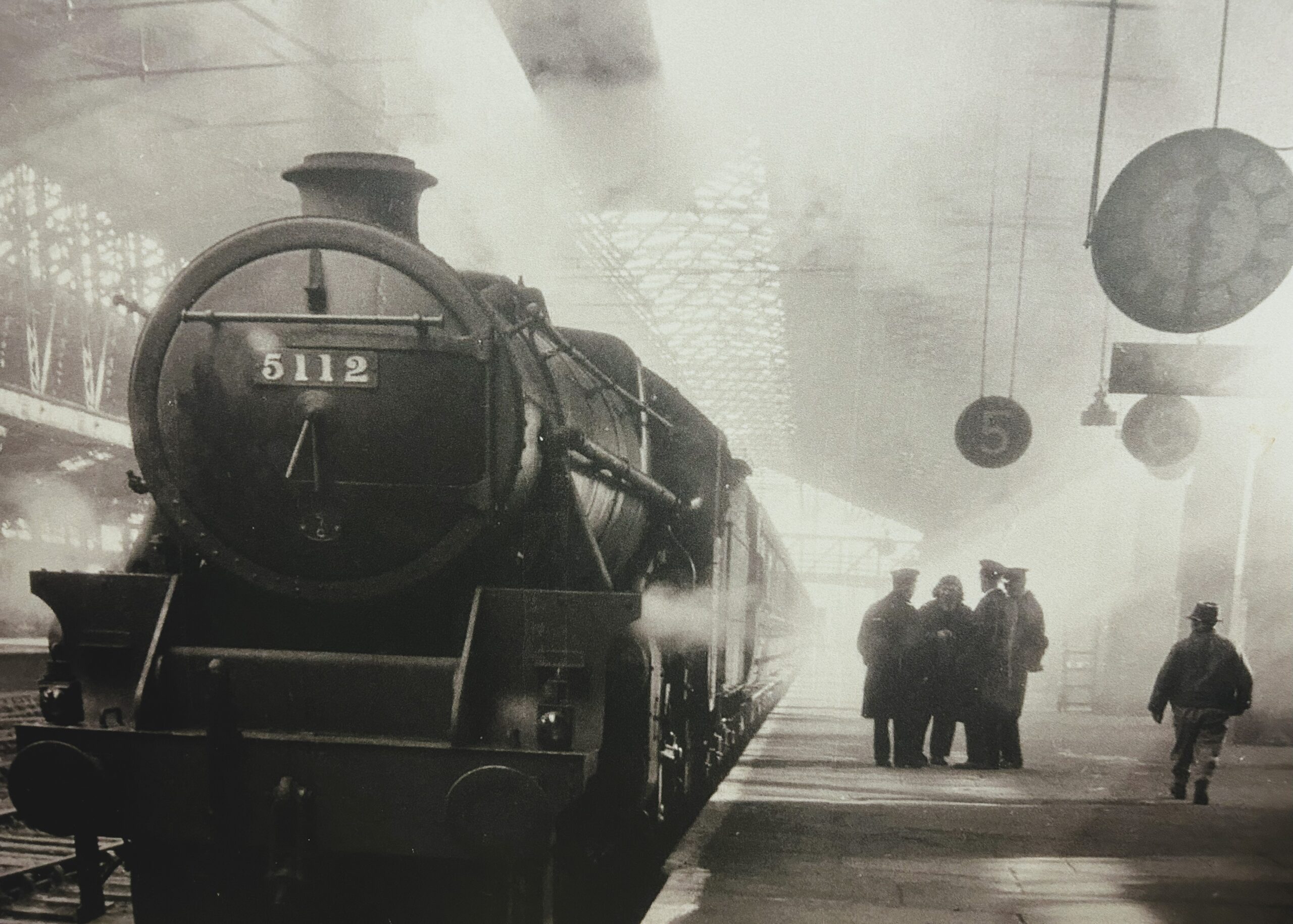
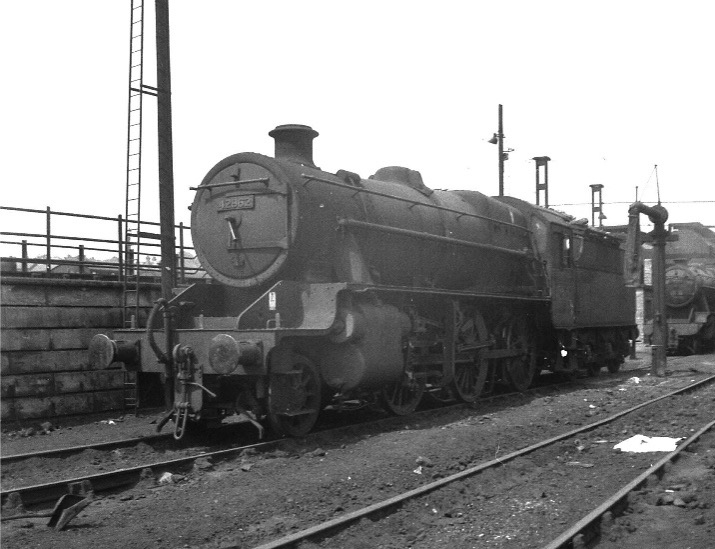
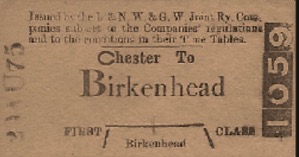
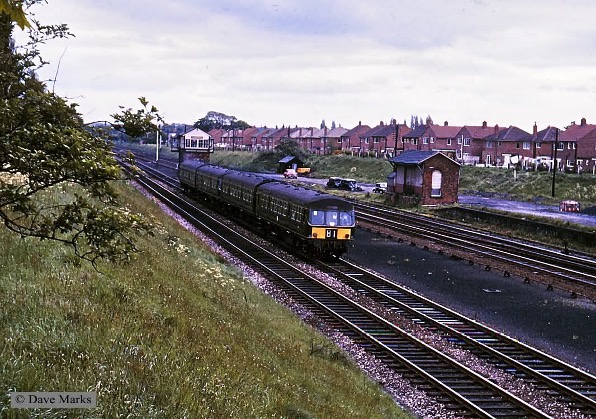
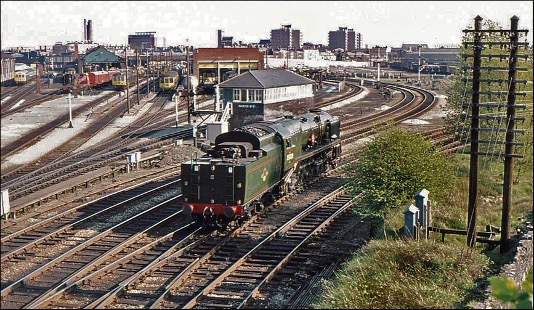
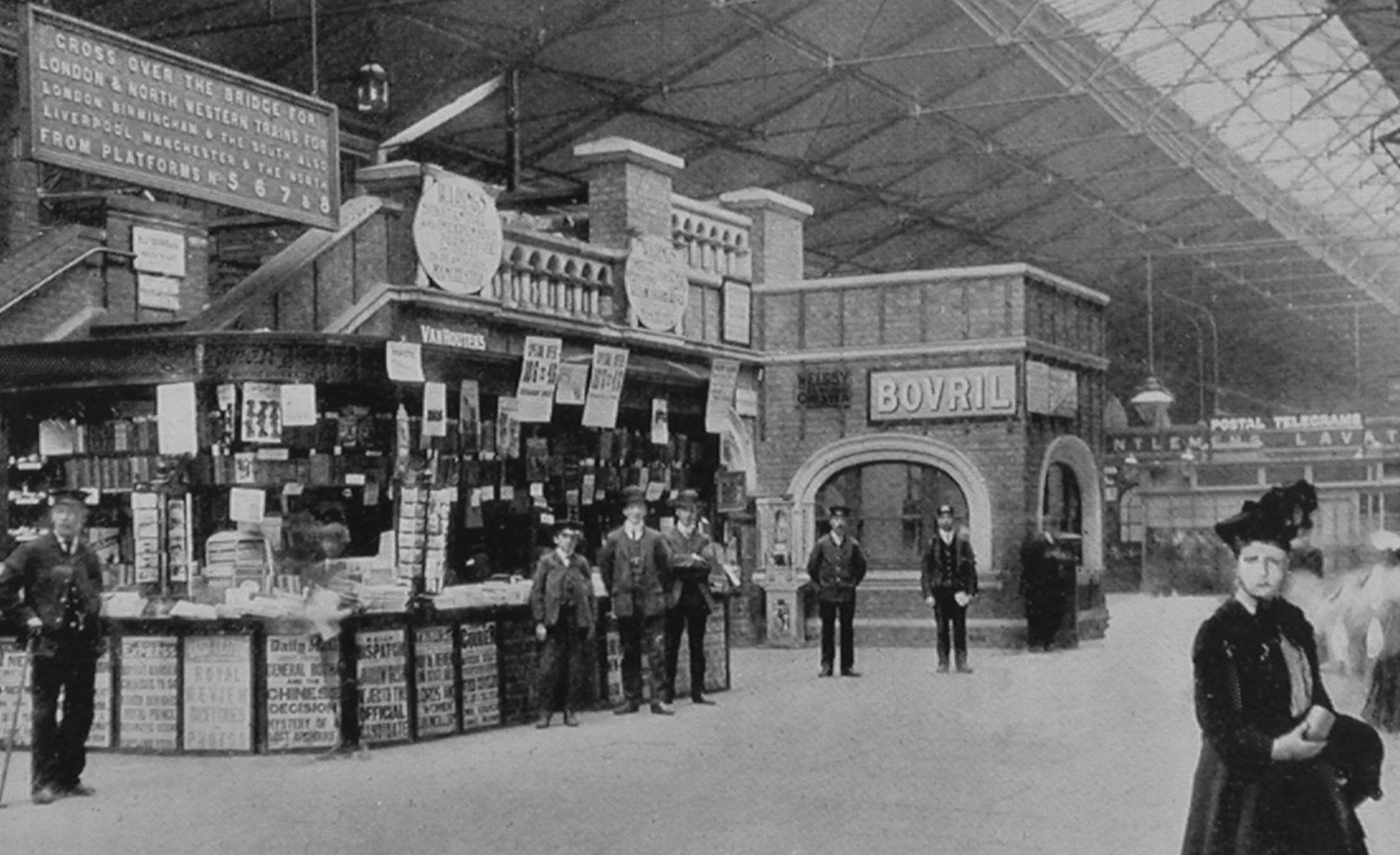
The historical photographs and images featured in this gallery have been brought together to help preserve and share the railway heritage of our local communities.
Where known, photographers, copyright holders and original sources have been acknowledged. All images remain the property of their respective copyright owners. Some images have been digitally enhanced or reconstructed to improve their clarity and presentation.
We have made every effort to identify and acknowledge the original sources. If you are a copyright holder and believe an image has been used without the appropriate permission, or you can provide further information about its origins, please contact us at enquiries@northcheshirecrp.org so we can review and address your concerns.
About the Timeline
This timeline has been developed using historical research contributed by Adam Cooper, a volunteer supporting North Cheshire Community Rail Partnership’s Railway History and Heritage project.
It brings together significant railway events, the development of stations and changes in transport across Chester, the Wirral and Birkenhead.
The collection will continue to develop as further historical records, photographs and community memories are researched and shared. In addition, new information will be reviewed and incorporated to help build a more detailed picture of this important railway corridor.
Help Us Tell the Story
Do you have historic railway photographs, documents or memories connected with Chester, Birkenhead or the stations along the route?
We’d love to hear from you. Your contributions could help us uncover forgotten stories and preserve the railway’s heritage for future generations.
Continue Exploring Our Railway History
The Chester to Birkenhead route is part of a much wider railway story across North Cheshire, Halton and Warrington.
Explore our other local railway timelines to discover how stations, routes and communities have changed over the years. Together, these stories show how the railways have contributed to local history and continue to connect the places we live, work and visit.